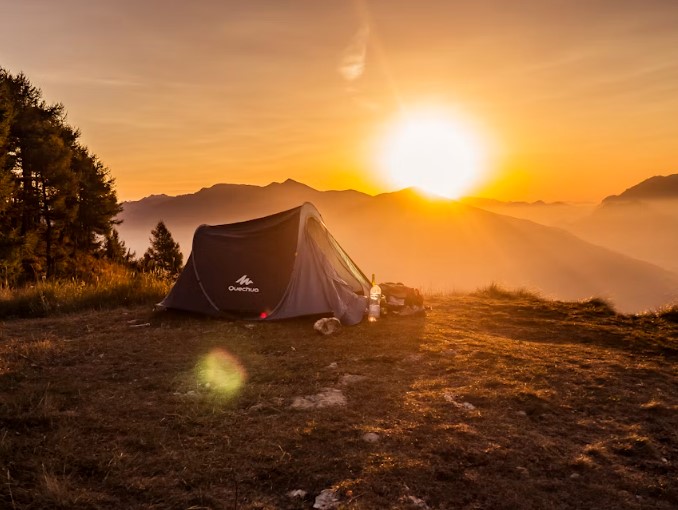
The best 4 season backpacking tents for winter are built around a different set of problems than a three season tent ever has to solve, mainly sustained snow load on the fly and wind that does not let up for days at a time. The pole geometry, fabric weight and vestibule size all change to handle that, and the result is a tent that trades warm weather ventilation for genuine cold weather survival.
The mistake buyers make here is assuming any tent labeled winter capable will handle serious alpine conditions, when a true four season tent and a three season tent with a slightly beefed up rainfly are not the same thing at all. For where these sit against the rest of the category, our backpacking tents buying guide covers the full range.
Best [Category] Comparison
| Name | Key features |
|---|---|
| MSR Access 2 | Lightweight four season, strong pole geometry |
| Black Diamond Firstlight 2 | Single wall, minimalist mountaineering shelter |
| Hilleberg Nallo 2 | Tunnel design, exceptional wind performance |
| Mountain Hardwear Trango 2 | Expedition grade, high snow load capacity |
| Nemo Kunai 2 | Geodesic dome, strong in high wind |
Each of these five tents solves the winter problem a little differently, from lightweight four season crossovers to genuine expedition grade shelters, so match the pick to how serious your actual winter conditions get.
1) MSR Access 2 (Best overall)
The MSR Access 2 sits at the accessible end of true four season tents, built for winter backpackers and ski tourers who want real snow capability without the weight of an expedition grade shelter. The pole geometry uses a third pole across the middle specifically to add strength against snow load, a detail that separates it clearly from a three season tent with a heavier fly.
In sustained wind it holds its shape well, and the fabric handles condensation from melting snow and cooking inside better than a true single wall design would. It is not built for the most extreme expedition conditions the way the Mountain Hardwear Trango 2 below is, but for winter weekend trips and moderate alpine conditions it strikes a genuinely useful balance between weight and capability.

MSR Access 2
- Weight3 lb 14 oz
- Capacity2 person
- Packed size7 x 19 in
- Season rating4 season
Key features
- Three pole geometry for added snow load strength
- Double wall design manages condensation
- Full coverage fly rated for winter conditions
Pros
- Genuine four season strength at a manageable weight
- Manages condensation better than single wall designs
- Handles moderate alpine wind reliably
Cons
- Not built for the most extreme expedition conditions
- Priced above three season equivalents
What we liked
- Strong snow load rating
- manageable weight
- good condensation control
What we did not
- Not expedition grade
- higher price than three season tents
For winter weekend trips and ski touring where conditions get serious but not extreme, this is the most sensible starting point.
Check the current price2) Black Diamond Firstlight 2 (Best for minimalist weight)
The Black Diamond Firstlight 2 is a single wall mountaineering shelter, which keeps weight down considerably compared to double wall four season tents while still handling real winter wind and snow. Climbers have relied on this design for high camps where every ounce carried up matters more than at a lower elevation basecamp.
The single wall design means more condensation management is needed, since there is no separated mesh layer, and venting the tent properly in cold conditions takes more attention than with a double wall option like the MSR above. In genuinely high wind it performs remarkably well for its weight, a reputation built over years of real mountaineering use.
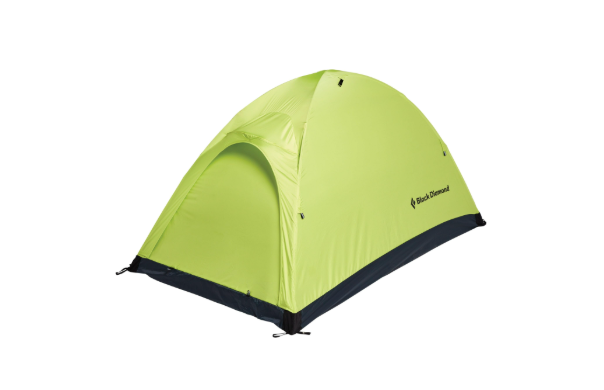
Black Diamond Firstlight 2
- Weight3 lb 6 oz
- Capacity2 person
- Packed size6 x 18 in
- Season rating4 season
Key features
- Single wall mountaineering construction
- Strong, proven pole geometry for high wind
- Minimal weight for a true four season tent
Pros
- Lightest true four season option here
- Proven performance in serious mountaineering conditions
- Compact packed size for high altitude carries
Cons
- Single wall needs careful venting to manage condensation
- Less livable interior than double wall options
What we liked
- Lightest four season option
- proven high wind performance
- compact size
What we did not
- More condensation management needed
- less livable interior
For high camps and serious alpine objectives where weight above all else decides what gets carried, this is the shelter most climbers reach for.
Check the current price3) Hilleberg Nallo 2 (Best for sustained wind)
The Hilleberg Nallo 2 uses a tunnel design rather than the dome or geodesic shapes common elsewhere on this list, and that shape genuinely excels in sustained directional wind once oriented correctly, which is a real skill worth practicing before relying on it in a storm. Hilleberg’s reputation in genuinely harsh Scandinavian conditions is well earned across decades of use.
The vestibule is unusually large, giving real space to cook and store gear without leaving the tent, which matters enormously on a multi day winter trip where going outside repeatedly is both unpleasant and a genuine safety consideration. It is heavier than the Black Diamond option above, reflecting the more robust fabric and pole set built for extended expedition use.

Hilleberg Nallo 2
- Weight5 lb 3 oz
- Capacity2 person
- Packed size8 x 20 in
- Season rating4 season
Key features
- Tunnel geometry for directional wind performance
- Unusually large vestibule for cooking and gear
- Robust fabric built for extended expedition use
Pros
- Excellent in sustained wind once oriented correctly
- Large vestibule adds real winter livability
- Decades long reputation in harsh conditions
Cons
- Requires careful orientation to the wind to perform its best
- Heavier than the Black Diamond Firstlight 2 above
What we liked
- Excellent sustained wind performance
- large vestibule
- proven expedition reputation
What we did not
- Orientation dependent
- heavier build
For genuinely long winter trips where cooking inside a sheltered vestibule matters, the space here is difficult to match.
Check the current price4) Mountain Hardwear Trango 2 (Best for expedition use)
The Mountain Hardwear Trango 2 is built for the most demanding conditions on this list, with a pole architecture and fabric weight designed around real expedition snow load rather than a weekend winter camping trip. Mountaineering guides have used this tent on serious peaks for exactly the situations where failure is not an acceptable outcome.
That capability comes with real weight, the heaviest on this list by a clear margin, which only makes sense for trips where a support team, sled, or short approach absorbs that cost. For genuinely extreme wind and heavy, sustained snow load, this is the tent with the deepest track record.
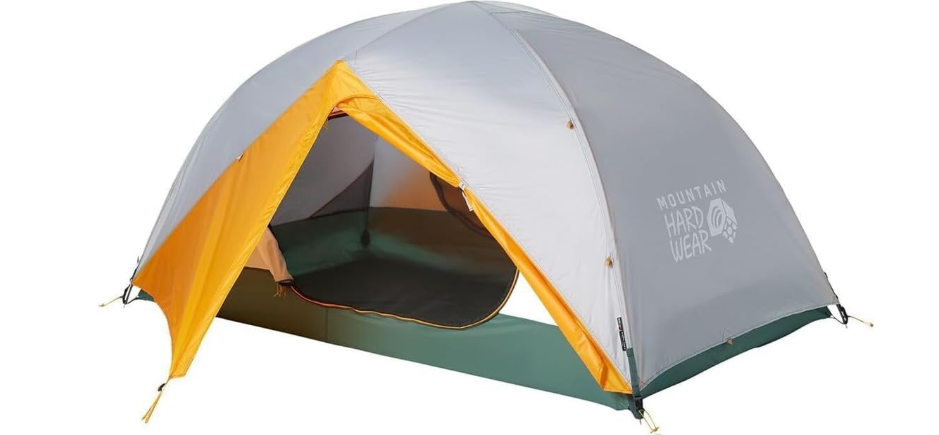
Mountain Hardwear Trango 2
- Weight8 lb 4 oz
- Capacity2 person
- Packed size9 x 22 in
- Season rating4 season
Key features
- Expedition grade pole architecture
- Highest snow load rating on this list
- Reinforced fabric throughout
Pros
- Deepest track record in genuinely extreme conditions
- Highest snow load capacity here
- Trusted by mountaineering guides on serious peaks
Cons
- Heaviest tent on this entire list
- Overkill for anything short of true expedition conditions
What we liked
- Deepest expedition track record
- highest snow load capacity
- reinforced build
What we did not
- Heaviest option here
- overkill for moderate winter trips
Reserve this one for trips where the conditions genuinely justify expedition grade gear, since the weight only pays off at that level of severity.
Check the current price5) Nemo Kunai 2 (Best for high wind)
The Nemo Kunai 2 uses a geodesic dome structure with intersecting poles that distribute wind load across the whole structure rather than concentrating it, which is what makes geodesic tents the traditional choice for genuinely high wind mountaineering conditions. It sits between the MSR Access 2 and the heavier expedition options here in both weight and capability.
Interior space is reasonable for a winter tent, and the fabric handles condensation adequately with proper venting. Setup is more involved than a simpler tunnel or dome design due to the intersecting pole pattern, worth practicing before relying on it in genuinely bad conditions rather than learning it for the first time at altitude.

Nemo Kunai 2
- Weight5 lb 9 oz
- Capacity2 person
- Packed size8 x 21 in
- Season rating4 season
Key features
- Geodesic dome with intersecting pole structure
- Distributes wind load across the whole tent
- Reasonable interior space for a winter tent
Pros
- Proven geodesic approach to high wind conditions
- Balanced weight between lightweight and expedition options
- Reasonable interior livability
Cons
- More involved setup due to intersecting poles
- Worth practicing the pitch before a real winter trip
What we liked
- Proven geodesic wind performance
- balanced weight
- reasonable space
What we did not
- More involved setup
- practice needed beforehand
For winter trips where high wind is the main concern rather than extreme snow load, the geodesic structure here earns its reputation.
Check the current priceFrequently asked questions
What actually makes a tent four season instead of three season?
A stronger pole architecture designed to resist snow load, a fly with full ground coverage and less mesh for warmth, and fabric built to handle sustained wind and cold rather than just an occasional storm. These changes trade warm weather ventilation for genuine winter capability.
Do I need a four season tent for occasional light snow camping?
Not necessarily. A sturdy three season tent handles occasional light snow reasonably well if it is shaken off periodically. True four season tents matter most for sustained snow load, high wind, or genuinely extreme cold over multiple days.
Why are single wall winter tents lighter but less popular for beginners?
Single wall tents like the Black Diamond Firstlight 2 skip the separated mesh inner layer to save weight, which means condensation management depends entirely on careful venting technique, something that takes practice to get right in genuinely cold conditions.
Is a geodesic or tunnel design better for winter camping?
Geodesic designs like the Nemo Kunai 2 handle wind from any direction well due to their intersecting pole structure. Tunnel designs like the Hilleberg Nallo 2 excel specifically in sustained directional wind once properly oriented, but perform worse if the wind shifts unexpectedly.
Conclusion
For most winter backpackers and ski tourers, the MSR Access 2 offers the best balance of genuine four season strength and manageable weight, making it the sensible starting point for this category. Climbers and mountaineers prioritizing minimal weight for high camps should look at the Black Diamond Firstlight 2 instead, accepting the added condensation management that comes with a single wall design.
Anyone planning a genuine expedition with serious snow load and extreme conditions should invest in the Mountain Hardwear Trango 2 rather than compromising with a lighter tent. Campers who only occasionally encounter light snow should skip this category entirely and stick with a sturdy three season tent instead, since the weight and cost of true four season gear is not justified by mild winter conditions.
Once your shelter is settled, our guide to how to stay warm camping in the cold covers the layering system that pairs with any of these tents, and best sleeping bags for backpacking covers matching a bag to genuinely cold nights.
Buy the MSR Access 2 for the best balance of weight and winter capability, the Mountain Hardwear Trango 2 for genuine expedition conditions, and stick with a three season tent instead for only occasional light snow.