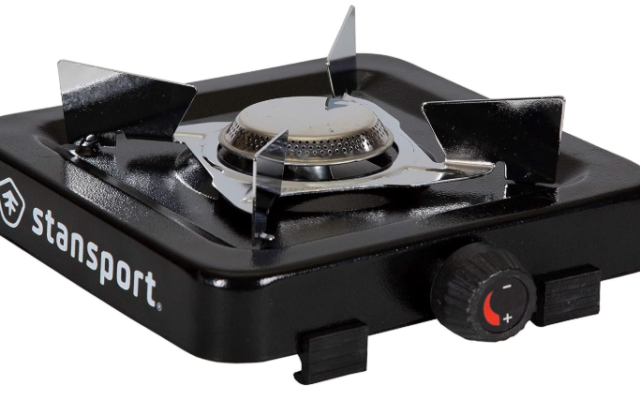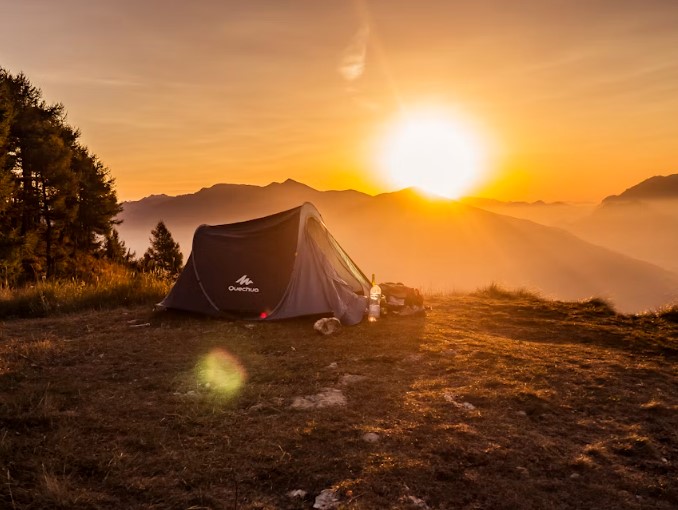

Can you use a camp stove inside a tent is a question that comes up constantly from campers facing rain, wind, or bitter cold who would rather cook from the shelter of their tent than crouch outside in bad weather, but the honest answer is that you generally should not, because of the very real risk of carbon monoxide poisoning and fire in an enclosed space. Combustion of any fuel, whether propane, butane, or liquid fuel, consumes oxygen and produces carbon monoxide as a byproduct, and a sealed or poorly ventilated tent traps that gas at concentrations that can become dangerous or fatal well before you notice anything is wrong.
The short answer
No, you should not run a camp stove inside the main sleeping compartment of a tent. A well-ventilated vestibule with the door open and cross-ventilation can sometimes be used briefly and carefully for boiling water in an emergency, but it carries real risk and is never recommended as routine practice. The safest approach is always to cook outside the tent entirely, under a separate rain tarp or canopy if weather is the concern.
Why carbon monoxide is the real danger
Carbon monoxide is a colorless, odorless gas produced whenever a fuel burns, and it becomes dangerous precisely because none of your senses warn you it is accumulating. Unlike smoke or an open flame, which you can see and smell, carbon monoxide builds up silently in an enclosed space, binding to red blood cells far more readily than oxygen does and starving your body of oxygen from the inside. Early symptoms like headache, dizziness, and nausea are easy to mistake for fatigue after a long day outdoors, and by the time more severe symptoms appear, a person can already be too impaired to act, which is why carbon monoxide poisoning inside tents and other enclosed shelters remains a real cause of camping fatalities every year.
Why tent fabric makes this worse, not better
Modern tents are specifically designed to be as weatherproof and wind-resistant as possible, which means they are built to limit airflow, exactly the opposite of what you want when burning fuel inside one. A tent’s rainfly and sealed seams that keep rain and wind out during a storm are the same features that trap combustion gases in during cooking, and even a tent with mesh panels can accumulate dangerous carbon monoxide levels faster than most campers expect, especially in cold weather when the door and vents are more likely to be fully closed to retain warmth.
Flame and fabric are a dangerous combination
Beyond carbon monoxide, an open flame inside a tent introduces a serious fire risk, since most tent fabrics, even those treated with a flame-retardant coating, can ignite and burn rapidly if directly exposed to a stove’s flame or a tipped-over pot of boiling water. A tent fire spreads extremely fast in the confined space, often leaving occupants only seconds to escape, and the same wind that might tempt you to cook inside for shelter can also destabilize a stove’s flame, increasing the chance of it contacting the tent wall or ceiling.
What a vestibule can and cannot safely do
Some backpackers cook in a tent’s vestibule, the covered but separate area outside the main sleeping compartment, with the outer door fully open for ventilation, and this is a somewhat lower risk than cooking inside the sleeping area itself. Even then, it is not risk-free: carbon monoxide can still drift into the sleeping compartment through the inner tent door or mesh, and a spilled pot in a vestibule is close enough to both tent walls and your gear to still start a fire. Any vestibule cooking should be treated as a last resort in genuinely severe weather, done briefly, with maximum ventilation, and never while anyone is sleeping nearby.
Better ways to cook in bad weather
The safer solution to rain or wind is not to move the stove inside the tent but to create a separate, ventilated cooking shelter. A simple tarp strung as a lean-to a few feet from the tent, oriented so wind blows away from the opening, lets you cook out of direct rain while keeping the stove in open air where carbon monoxide disperses immediately. Many campers also carry a dedicated cooking canopy or use a vehicle’s open tailgate as a windbreak, both of which solve the weather problem without introducing the enclosed-space risk a tent creates.
Ventilation requirements if you must heat water near shelter
If you genuinely need hot water in severe weather and cannot safely cook away from the tent, the minimum safe setup involves cross-ventilation, meaning airflow moving through the space rather than a single opening, since a single door or vent creates a dead pocket where gases accumulate rather than a path for them to escape. This means opening the vestibule door fully on one side and a vent or window on the opposite side so air genuinely moves through, not just a crack that lets a small amount of gas trickle out while the bulk of it stays trapped near the stove.
Even with cross-ventilation, keep the cooking time as short as possible, stay awake and alert the entire time the stove runs, and never leave a stove burning unattended near a tent for any reason, since an unattended flame introduces fire risk on top of the ongoing carbon monoxide hazard. This approach should be treated as a severe-weather exception, not a technique to rely on regularly, and cooking fully in the open remains the only genuinely safe method every time it is possible.
Common mistakes
- Assuming a “slightly open” door is enough ventilation. A small gap does not create the airflow needed to clear carbon monoxide as fast as it accumulates from an actively burning stove, especially in a tent already sealed up against wind and rain.
- Cooking inside during cold weather specifically to stay warm. This is one of the most common scenarios behind tent carbon monoxide incidents, since cold weather is exactly when campers are most tempted to seal up the tent for warmth while also wanting the stove’s heat, a combination that maximizes both the temptation and the danger.
- Not recognizing early symptoms. Headache, dizziness, drowsiness, and nausea are easy to write off as exhaustion after a long hiking day, but if these symptoms appear while a stove has been running nearby, treat it as a carbon monoxide warning sign and get outside into fresh air immediately.
- Relying on a camping carbon monoxide detector as a substitute for not cooking inside. A detector can provide a useful warning, but it reacts to a dangerous concentration that has already built up, and it is not a substitute for simply not introducing the hazard in the first place.
Frequently Asked Questions
Is it ever safe to use a camp stove inside a tent?
Not inside the main sleeping compartment under any circumstances. A well-ventilated vestibule with the outer door fully open can be used briefly in an emergency, but this still carries real risk and should never become routine practice regardless of how bad the weather is outside.
Can carbon monoxide poisoning happen even with a tent door partly open?
Yes, a partially open door rarely provides enough airflow to clear carbon monoxide as fast as a running stove produces it, particularly in cold weather when campers tend to minimize any opening to retain warmth, which is exactly when the risk is highest.
Are integrated canister stoves like a Jetboil safer to use in a tent than a standalone burner?
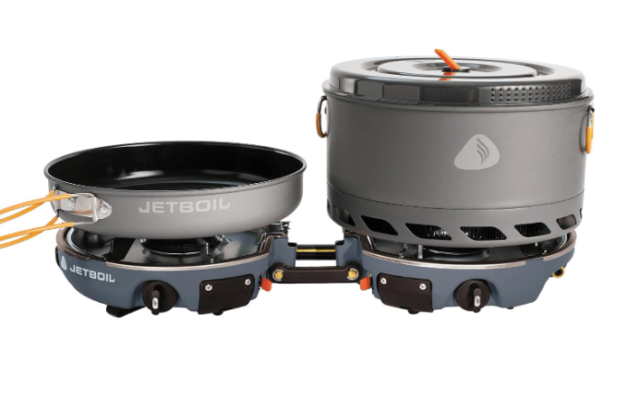
No, the enclosed canister system design has no bearing on carbon monoxide production, since any combustion consumes oxygen and produces the gas regardless of the burner’s shape or fuel efficiency, so the same no-cooking-inside-the-tent rule applies equally to every stove type.
What should I do if I start feeling dizzy or nauseous while cooking near my tent?
Stop cooking immediately, move to open air away from the tent, and do not go back inside until you feel fully normal, since these symptoms can indicate early carbon monoxide exposure and continuing to breathe the same air will make the situation worse rather than better.
Wrapping up
The short version is simple: cook outside your tent, every time, regardless of weather, and solve rain and wind problems with a separate tarp or windbreak rather than bringing the stove inside. For more on handling a stove safely in challenging conditions, see our best camp stove for windy conditions roundup, and our how to clean a camp stove burner guide covers keeping your stove running safely and efficiently.