
The best camping stoves balance four things that pull against each other: boil speed, fuel efficiency, weight, and cooking versatility, and no single stove maximizes all four at once. Working out which of those matters most for how you actually camp, whether that is backpacking solo, car camping with a family, or mountaineering at altitude, is a far better starting point than comparing BTU numbers on a spec sheet.
This guide covers how to think through that trade off, then routes you to a specific roundup for your situation, whether that is a fast-boiling backpacking stove, a multi-burner setup for family cooking, or a cold-weather system built for genuine reliability when temperatures drop.
Stove shopping gets confusing fast because the category spans such different use cases under one umbrella term. A backpacker boiling water for a single dehydrated meal has almost nothing in common, equipment-wise, with a family car camping for a week and cooking full breakfasts, yet both searches land on similar-looking product listings. Narrowing down which of the four core trade offs below matters most for your actual trips is the fastest way to cut through that noise and land on a stove you will not regret within a season.
The short answer
For most backpackers, a lightweight canister stove using an isobutane-propane blend covers the vast majority of three-season trips, delivering a reasonable balance of boil speed, weight, and simmer control without the added complexity of a liquid fuel system. Car campers who want to actually cook rather than just boil water should look at a multi-burner propane stove with even heat distribution instead. Anyone facing genuine cold, high altitude, or international travel where canister fuel is uncertain should consider a liquid fuel stove, and anyone who mainly needs to boil water fast for dehydrated meals should look at an integrated canister system.
The four things that actually decide a camp stove purchase
Every camp stove decision comes down to balancing these against how you actually cook outdoors, since improving one usually costs you in another.
Boil speed and fuel efficiency
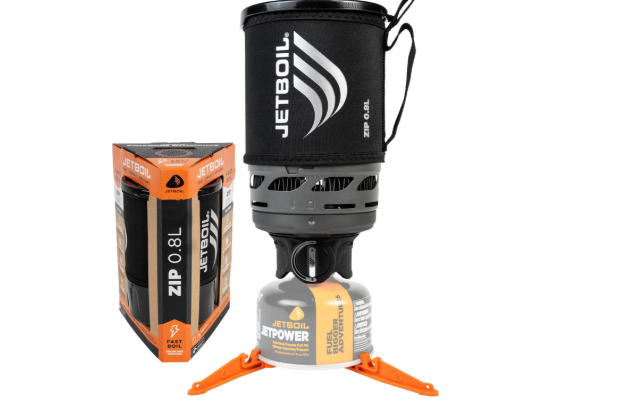
An integrated canister system with a heat exchanger pot boils water dramatically faster per unit of fuel than an open flame striking an unprotected pot, which matters enormously for backpackers whose meals are mostly dehydrated pouches and coffee. A standalone burner trades some of that efficiency for the flexibility to use any cookware, a trade that matters less if boiling is genuinely all you do.
Weight and portability
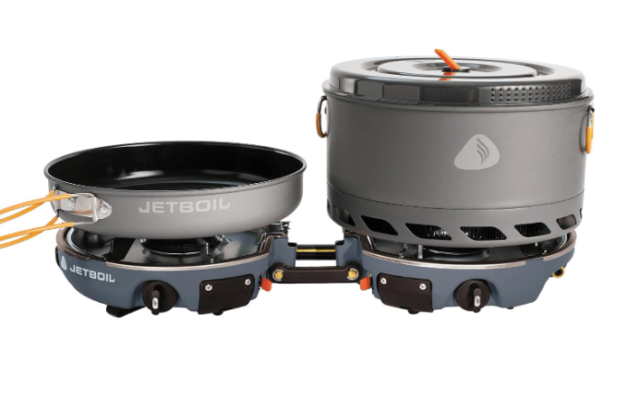
A minimalist backpacking stove can weigh a few ounces and fold into a mug, while a car camping multi-burner stove weighs several pounds and requires a stable surface and a vehicle to transport. Matching stove weight to how far you need to carry it, rather than defaulting to the lightest or most powerful option available, avoids both an unnecessarily heavy pack and an underpowered stove for a group.
Cold weather and altitude reliability
Canister stoves lose pressure as temperatures drop and as the canister empties, since most rely on the fuel’s own vapor pressure rather than a pump. Liquid fuel stoves maintain consistent pressure through a hand pump regardless of ambient temperature, making them the more dependable choice for genuine cold, high altitude, or snow-melting conditions where a canister stove’s performance becomes unpredictable.
Cooking versatility
Boiling water for a dehydrated meal is a different task from simmering a sauce, griddling pancakes, or cooking raw ingredients that need sustained, even heat. A stove’s burner design, whether a simple needle valve or a three-sided burner built for even distribution, determines how far beyond boiling a given stove can actually take your cooking.
Find the right camp stove for your situation
Rather than one universal recommendation, here is where to look based on what matters most for your trips.
- Backpacking and needing to move fast: start with our best backpacking stove for boiling water fast roundup, and our best ultralight stove for thru-hiking and best camp stove for bikepacking guides cover weight-focused choices for specific trip types.
- Cooking solo or for a crowd: see our best camp stove for one person roundup for minimalist setups, alongside best camp stove for large groups and best two burner camp stove for family cooking for feeding more people at once.
- Facing challenging weather or elevation: our best camp stove for windy conditions, best camp stove for high altitude, and best canister stove for cold weather roundups cover stoves built for conditions that defeat lesser setups.
- On a budget: see our best camp stove under $50 and best propane camp stove under $100 roundups for dependable, affordable options that do not sacrifice core reliability.
- Vehicle-based or specialty cooking setups: our best camp stove for a van and best camp stove with a griddle roundups cover setups built around specific cooking needs, and best three burner camp stove covers the largest format for serious group cooking.
- Wanting a different fuel approach: see our best wood burning camp stove roundup for a fuel-free alternative to canisters and tanks.
- Shopping by brand: our brand roundups cover best BioLite camp stoves, best Camp Chef camp stoves, best Coleman camp stoves, best Jetboil camp stoves, best MSR camp stoves, and best Soto camp stoves.
- Weighing two brands against each other: our Camp Chef vs Coleman camp stoves and Camp Chef vs Jetboil camp stoves comparisons cover the most common cross-shopping decisions.
- Understanding fuel and system trade-offs: see our canister vs liquid fuel stove, integrated canister system vs standalone burner, and propane vs butane camp stove comparisons for the core decisions behind every stove purchase.
- Specific model reviews: our in-depth reviews cover the BioLite CampStove 2 review, Camp Chef Everest 2X review, Coleman Classic Propane Stove review, Jetboil Flash review, MSR PocketRocket 2 review, and MSR WhisperLite International review.
- Practical how-to and safety questions: see our guides on whether you can use a camp stove inside a tent, how much stove fuel you need for a weekend, and how to clean a camp stove burner.
Understanding camp stove specs
- BTU output. British thermal units measure heat output per hour, and a higher number generally means faster boiling, though burner design and efficiency matter just as much, since a poorly matched burner and pot can waste much of that heat into the surrounding air rather than the water.
- Piezo ignition. A built-in spark mechanism that lights the stove without a separate match or lighter. Convenient but mechanical, meaning it can wear out or fail over time, so carrying a backup lighter or matches remains good practice regardless of stove type.
- Simmer control. How finely a stove’s valve can reduce flame output for low, steady heat. A basic on-off valve offers little control, while a needle valve or three-sided burner design gives much finer adjustment for actual cooking beyond boiling.
- Wind resistance. How well a stove’s design shields the flame from gusts, whether through an enclosed burner column on an integrated system, a concave burner head, or a separate windscreen accessory. Wind can dramatically reduce efficiency and boil speed on an exposed-flame stove without this protection.
- Integrated canister system. A stove format where the pot locks directly onto the burner, with a heat exchanger wrapping the pot’s base to capture more heat than an open flame. Excellent for fast, efficient boiling, limited for cooking versatility and group meals.
- Canister vs liquid fuel. Canister stoves screw onto a pressurized can and light instantly but lose pressure in cold weather. Liquid fuel stoves burn from a hand-pumped bottle, requiring priming but maintaining consistent output in cold and at altitude.
- Fuel consumption and trip planning. A rough baseline of one to two ounces of canister fuel per person per day covers basic boiling in mild conditions, but cold weather, high altitude, melting snow for water, and real cooking beyond boiling can roughly double or more that estimate, so planning with a buffer rather than an exact calculation avoids running short mid-trip.
- Burner and jet maintenance. A stove’s jet is a precisely sized opening that atomizes fuel, and it gradually narrows with soot, dust, and food residue over repeated trips. Most stoves include or are compatible with a cleaning needle or fine wire for clearing the jet, and a quick wipe-down after each trip prevents the kind of buildup that eventually causes a weak or uneven flame.
Common mistakes
- Buying based on BTU output alone. A high BTU rating without a well-matched burner and windscreen can still perform poorly in real conditions, so look at the full picture of burner design and wind resistance rather than one number on a spec sheet.
- Choosing a canister stove for a genuinely cold or high-altitude trip. Canister stoves are the right default for mild three-season conditions, but cold weather and altitude both work against them, and a liquid fuel stove is the more dependable choice once conditions turn genuinely harsh.
- Underestimating fuel needs for the trip length. Cold weather, altitude, and melting snow for water all increase fuel consumption significantly beyond a basic mild-weather estimate, and running short on fuel partway through a trip is a entirely avoidable planning failure.
- Skipping routine burner maintenance. A clogged jet or dirty burner ports cause a weak or uneven flame long before a stove fails outright, and a few minutes of cleaning after a trip prevents most performance problems before they start.
Frequently asked questions
What type of camp stove should a beginner buy first?
A simple, dependable canister stove covers the vast majority of mild three-season backpacking and camping needs, offering a good balance of weight, simplicity, and reasonable cooking ability without the added complexity of priming a liquid fuel stove.
Are integrated canister systems worth the extra cost over a standalone burner?
If your cooking is mostly boiling water for dehydrated meals or coffee, yes, the fuel efficiency and boil speed genuinely pay off. If you want to cook real meals or feed a group, a standalone burner paired with your own cookware is the more versatile and often more affordable choice.
How much does a decent camp stove cost?
Dependable options exist at nearly every price point, from affordable single-burner propane stoves under fifty dollars to multi-burner car camping stoves and premium integrated backpacking systems that cost considerably more, so budget is rarely the limiting factor in finding a stove that fits your needs.
Do I need a windscreen if my stove already claims to be wind resistant?
Even a genuinely wind-resistant design benefits from additional shelter in strong, sustained gusts, so pairing a wind-resistant stove with a sheltered cooking spot or a compatible windscreen accessory still improves efficiency and flame stability beyond the stove’s built-in design alone.
Wrapping up
Most camp stove regret traces back to one of two decisions: buying for the wrong use case, like a car camping stove for backpacking or a boiling-focused system for someone who wants to actually cook, or underestimating how much cold, altitude, and fuel planning matter once conditions turn harsh. Get those two right and the rest is preference. Start with the situation links above that match how you actually camp, and our canister vs liquid fuel stove comparison covers the single most important decision behind nearly every stove purchase.