Double wall vs single wall tent is a decision that shapes how your shelter handles condensation, weight, and setup, and most hikers do not think about it until they wake up in a damp sleeping bag on a cold morning. A double wall tent uses a separate inner mesh body and outer rainfly, while a single wall tent combines both into one waterproof layer, which is lighter but manages moisture very differently. Neither design is universally better, and the right choice depends heavily on your climate and how much you value shaving pack weight.
The short answer
Choose a double wall tent for most three-season backpacking, since the airflow between the two layers manages condensation far better. Choose a single wall tent if you are chasing the lowest possible weight and are willing to manage condensation actively through venting and site selection.
Side by side
| Factor | Double wall | Single wall |
|---|---|---|
| Condensation management | Better, airflow between layers | Worse, condensation forms on inner surface |
| Typical weight | Heavier | Lighter |
| Setup | Two pieces, slightly slower | One piece, often faster |
| Best for | Most three-season trips | Ultralight and dry climates |
Double wall tents explained
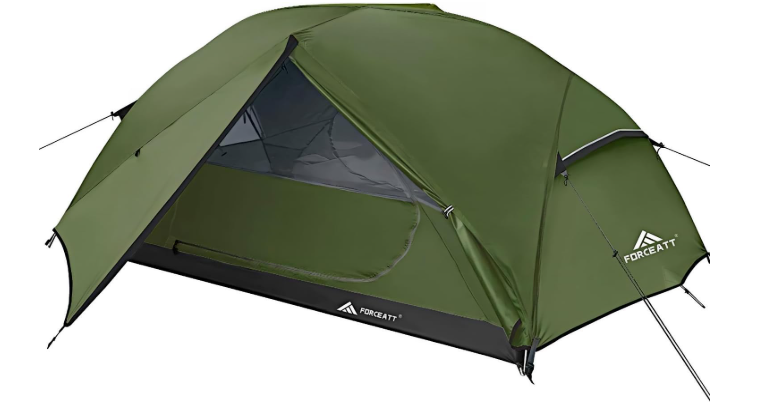
A double wall tent separates the breathable inner mesh body from the waterproof outer rainfly, leaving a gap of air between the two layers. That gap is the key to how double wall tents manage moisture, since warm, humid air from your breath and body passes through the mesh inner and condenses on the underside of the outer rainfly instead of on the wall directly above your sleeping bag. This keeps the inside of the tent noticeably drier on humid nights, which is why double wall construction remains the standard for most three-season backpacking tents. The tradeoff is weight, since you are carrying two layers of fabric plus the poles needed to hold them apart, and setup takes a bit longer since you typically pitch the inner body first and then add the rainfly.
Single wall tents explained
A single wall tent uses one waterproof, breathable layer to do the job that a double wall tent splits across two, which cuts weight significantly and speeds up setup to a single step. This makes single wall tents popular among ultralight hikers and mountaineers who prioritize pack weight above nearly everything else. The tradeoff is condensation, since there is no air gap to catch moisture before it reaches the inner surface, meaning condensation can form directly on the wall closest to your sleeping bag. Managing this requires active venting, careful site selection away from water sources and low-lying areas, and sometimes wiping down the walls in the morning. Single wall tents perform best in dry climates or shoulder-season conditions where humidity is naturally lower.
Where each one wins
Weight
Single wall wins clearly, often saving half a pound or more compared to a similarly sized double wall tent.
Weather
Double wall wins in humid or wet climates, where its superior condensation management keeps you noticeably drier overnight.
Budget
Double wall tents are generally more affordable at comparable quality, since single wall tents often use premium fabrics like Dyneema that push the price up.
Ease of use
Single wall wins for setup speed, pitching in one step rather than the inner-then-rainfly process double wall tents require.
Which should you buy
If you camp in varied three-season conditions and value staying dry over shaving every ounce, buy a double wall tent. If you are an experienced ultralight hiker comfortable managing condensation through venting and site choice, a single wall tent will save real weight. For a broader look at well-reviewed options, our backpacking tents buying guide covers both styles.
Frequently Asked Questions
Do single wall tents always have more condensation?
Generally yes, since there is no air gap to intercept moisture, though good ventilation and dry site selection can minimize the difference significantly.
Are double wall tents worth the extra weight?
For most three-season backpackers, yes. The improved condensation management and slightly lower price make double wall tents the safer default choice.
Can single wall tents be used in winter?
Yes, and many mountaineering shelters are single wall by design, since cold, dry winter air produces less condensation than humid three-season conditions.
Which style is better for beginners?
Double wall tents are generally more forgiving for beginners, since they do not require the same active condensation management that single wall tents demand.
Buy a double wall tent for reliable condensation control on most trips, and a single wall tent when shaving weight matters more than moisture management.