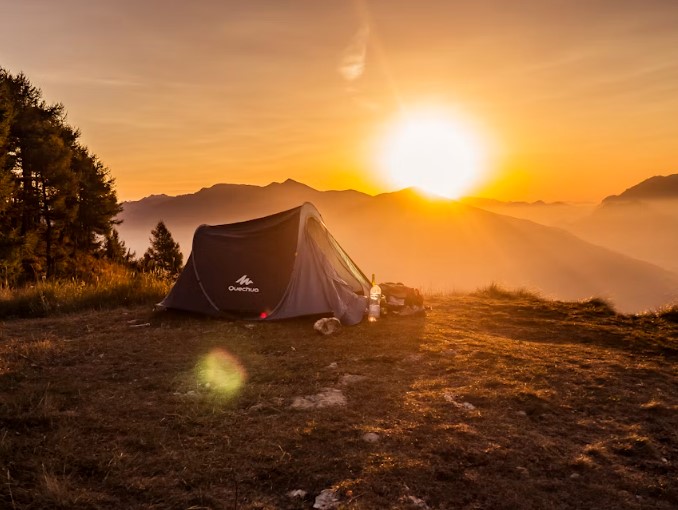

The Durston X-Mid 2 review conversation almost always starts with value, since this tent delivers a combination of interior space, weight and price that few competitors match at once. It uses an offset trekking pole design rather than a traditional freestanding structure, aimed at backpackers who want genuine ultralight performance without paying Dyneema level prices.
The detail that decides whether this tent suits you is your comfort with trekking pole pitching in general. The offset geometry is more forgiving than a symmetrical design, but it still demands ground that holds stakes reliably and a willingness to practice the pitch before relying on it for a real trip.
Specifications
| Weight | 2 lb 2 oz |
| Capacity | 2 person |
| Packed size | 6 x 14 in |
| Season rating | 3 season |
| Doors | 2 |
| Vestibules | 2 |
Who it is for
This tent suits backpackers and thru hikers who already use trekking poles and want to convert that gear into genuine weight savings without spending Dyneema level prices to get there. It particularly suits anyone who has found symmetrical single pole pyramid shelters cramped, since the offset design specifically addresses that complaint. It is a poor fit for campers who are not willing to learn a trekking pole pitch, or who frequently camp on ground too rocky or sandy to stake reliably.
How it performs
Pitching
The offset pole placement is the tent’s signature feature, and it genuinely does make the pitch more forgiving than a symmetrical pyramid design, since small errors in staking angle affect the overall tautness less. It still takes a handful of attempts to get comfortable with the sequence, and practicing at home before a real trip pays off considerably. Once learned, the pitch becomes routine and reasonably quick.
Weather
The low, tensioned profile handles wind well for a trekking pole shelter, and the silnylon fabric, while it stretches slightly when wet, is easily corrected with a mid trip guy line adjustment. Ventilation benefits from the offset door placement, which reduces condensation buildup compared to some symmetrical designs by improving airflow patterns through the tent.
Space
This is the tent’s standout quality. The offset geometry creates noticeably more usable floor space and headroom than a typical trekking pole shelter at a similar weight, closing much of the gap with heavier freestanding tents. Two people fit comfortably, with enough width that sleeping pads do not constantly overlap.
Packability
At just over two pounds and a genuinely compact packed size, it disappears into a pack without much notice, and the lack of dedicated tent poles means one less bulky item competing for space, since your trekking poles are doing double duty.
Pros and cons
What we liked
- Unusually roomy interior for the weight
- more forgiving pitch than symmetrical pyramid designs
- strong value relative to Dyneema competitors
What we did not
- Trekking pole pitch takes practice
- silnylon stretches slightly in sustained rain
How it compares
Against the Big Agnes Copper Spur HV UL2, the X-Mid 2 is considerably lighter and cheaper but requires trekking poles and more careful site selection for staking, while the Copper Spur offers a freestanding pitch at a meaningful weight and price premium. Against the MSR Hubba Hubba 2, the X-Mid 2 again wins on weight and price, while the Hubba Hubba offers a more proven long term track record and a freestanding structure that handles difficult tent sites more easily.
Frequently Asked Questions
Is the Durston X-Mid 2 good for beginners to trekking pole tents?
It is one of the more beginner friendly trekking pole options available, thanks to its offset geometry forgiving small staking errors better than symmetrical designs. Some practice is still recommended before a first real trip.
Does the Durston X-Mid 2 need trekking poles specifically, or can any poles work?
It is designed around standard trekking pole lengths, and most hikers use their own trekking poles rather than buying dedicated tent poles. Adjustable trekking poles offer the most flexibility for dialing in the pitch.
How does the X-Mid 2 handle condensation?
The offset door placement and overall ventilation design manage condensation reasonably well for a trekking pole shelter, though like any tent, site selection and weather conditions still play a significant role.
Is silnylon durable enough for regular use?
Yes, silnylon has a long track record in outdoor gear and handles regular backpacking use well, though it lacks the sag resistance of pricier Dyneema fabric, which shows up mainly as needing a guy line check after sustained rain.
Verdict
The Durston X-Mid 2 delivers one of the strongest value propositions in the ultralight tent category, combining genuinely roomy interior space with a low weight and a price that undercuts most comparable options considerably. The offset pole design is a real innovation that meaningfully improves on the traditional trekking pole shelter formula.
Buy this if you already use trekking poles and want to convert that gear into real weight savings without paying Dyneema prices. Look elsewhere if you are not willing to learn and practice a trekking pole pitch, or if you regularly camp on ground too rocky or loose to stake reliably, since a freestanding tent will serve you better in those conditions.
An excellent value trekking pole tent with unusually roomy space for the weight, ideal for hikers already carrying trekking poles.