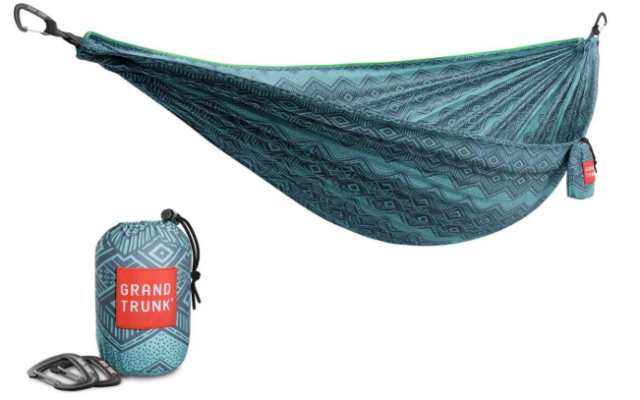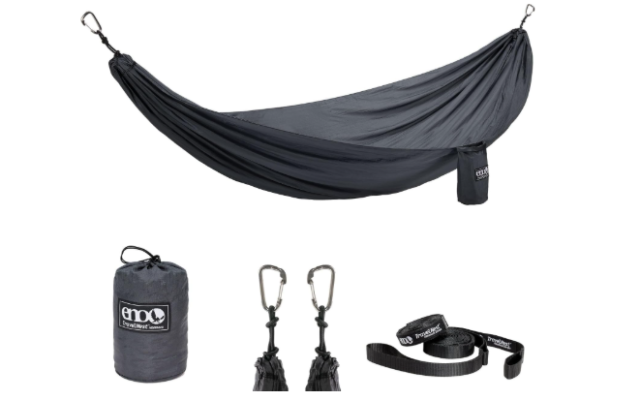

ENO vs Hennessy camping hammocks is a fork many hangers face early, since the two brands represent genuinely different philosophies rather than just different price points. ENO builds around a simple, top-entry gathered-end hammock that you buy piece by piece, hammock, straps, and optional bug net sold separately, while Hennessy builds a complete, bottom-entry system with a permanently sealed bug net and attached rainfly included from the start. Neither approach is objectively better, and the right choice depends heavily on whether you want the flexibility to mix and match components or the convenience of one sealed system.
The two brands also represent something close to the historical split in how modern hammock camping developed, Hennessy popularized the idea of a fully integrated, bug-sealed sleeping system decades ago, while ENO grew alongside the broader rise of casual, backyard-to-backcountry hammock culture built around a simpler, more customizable base hammock. Understanding that history helps explain why each brand still leans so heavily into its original approach rather than converging toward a single universal design.
The short answer
Choose ENO if you want a simple, top-entry hammock, plan to build your system piece by piece, or prioritize a lower starting price and the widest possible accessory ecosystem. Choose Hennessy if you want a complete, bug-sealed system out of the box and do not mind learning a bottom-entry technique that takes a few nights to feel natural. Casual campers who mostly hang in bug-light conditions tend to prefer ENO, while hangers heading into buggy or unpredictable weather conditions often prefer Hennessy’s sealed system.
Side by side
| Factor | ENO | Hennessy |
|---|---|---|
| Entry style | Top entry | Bottom entry |
| Bug net | Sold separately (except JungleNest) | Included, permanently sealed |
| Rainfly | Sold separately | Included, attached |
| Lay style | Symmetrical, manual diagonal | Asymmetrical, built in |
| Typical weight | Roughly 15 to 19 oz bare | Roughly 28 to 34 oz complete |
ENO explained
ENO’s core design is a gathered-end hammock, meaning the fabric bunches and is sewn together at each end into a single attachment loop, climbed into from the top the same way most people picture hammock camping. The DoubleNest and SingleNest use 70 denier parachute nylon that stretches slightly to conform to the body, dries quickly, and has become something close to an industry default fabric weight for casual and recreational hangers.
Because ENO sells the hammock body separately from straps and bug nets, buyers build out a system gradually, starting with just the hammock and straps, then adding a net or underquilt once they know what conditions they actually camp in. This modularity is the brand’s biggest advantage for buyers who are not yet sure what accessories they need, but it also means the true all-in cost of a fully equipped ENO setup can end up comparable to or higher than a complete Hennessy system once every piece is purchased separately.
ENO’s symmetrical, gathered-end shape also means the diagonal lay, the technique of positioning your body at an angle across the hammock rather than straight down the centerline to achieve a flatter, more supportive position, has to be found manually each time you hang. This is not difficult once learned, but it is a genuine skill a new ENO owner needs to practice, compared to a hammock whose cut guides the body into that position automatically.
Hennessy explained

Hennessy’s asymmetrical, bottom-entry design solves a structural problem differently, rather than climbing in from the top and finding a diagonal lay manually, the hammock’s shape and a sewn-in entry slit guide the body into a consistent diagonal position automatically, while the bug net above stays permanently zipped shut since you never need to reopen it to get in or out. That permanent seal is the brand’s signature advantage, there is no moment during entry or exit where insects can get inside, unlike a top-entry net that must be unzipped and rezipped every time.
The trade off is a genuinely different technique to learn, most new owners need two or three nights of practice before the bottom-entry motion feels automatic, and the complete system’s attached rainfly and sealed net add real weight over a bare ENO hammock, even though that weight replaces gear you would otherwise buy and carry separately anyway.
The attached rainfly on most Hennessy models is cut generously enough to provide full coverage without separate pitching adjustments the way a standalone tarp often requires, which removes one more variable for a new owner to manage on top of learning the entry technique itself. Some experienced hangers eventually swap the stock fly for a larger aftermarket tarp for more weather margin, but the included fly is functional on its own for typical three-season conditions straight out of the box.
Where each one wins
Setup simplicity
ENO wins for a true first-timer, since top-entry climbing requires no new technique to learn, while Hennessy’s bottom-entry method takes a few nights of deliberate practice before it feels natural.
Bug protection
Hennessy wins decisively here, the permanently sealed net never needs reopening during entry or exit, while ENO’s bare hammocks need a separately purchased net that must be unzipped every time unless you specifically buy the integrated JungleNest.
Weight
ENO wins for a bare hammock alone, but once you add a comparable separately purchased net and rainfly to match Hennessy’s included system, the total weight gap narrows considerably or can even favor Hennessy’s integrated design.
Price flexibility
ENO wins for buyers who want to spend gradually and are not sure yet what accessories they need, since starting with just a hammock and straps costs less upfront than Hennessy’s complete system.
Lay consistency
Hennessy wins here, the asymmetrical cut and structural elements produce a consistent diagonal lay automatically, while ENO’s symmetrical design requires the user to manually find and hold a diagonal angle each time.
Accessory ecosystem
ENO wins clearly, its long-established position in the category has produced a far larger range of compatible straps, underquilts, and third-party add-ons than Hennessy’s smaller, more self-contained lineup, a genuine advantage for buyers who like to customize their setup over time.
Durability under frequent use
Roughly comparable between the two brands at similar price points, since both use synthetic fabrics in the 40 to 70 denier range for their respective lineups, though Hennessy’s sealed, attached components mean fewer separate connection points for hardware to wear out over repeated seasons compared to a fully modular ENO setup with separately clipped accessories.
Which should you buy
If you want the flexibility to build your system gradually, mostly camp in light bug conditions, or simply prefer a familiar top-entry hammock, ENO is the more forgiving and often cheaper starting point. If you are heading somewhere with real insect pressure or unpredictable weather and want a complete, sealed system from the first purchase, Hennessy’s bottom-entry design is worth the short learning curve. Neither choice locks you out of adding the other brand’s strengths later, plenty of hangers eventually own a simple ENO for warm-weather lounging alongside a sealed Hennessy for buggier backcountry trips. For the full range of camping hammocks beyond just these two brands, see our camping hammock buying guide.
Frequently Asked Questions
Is the Hennessy bottom-entry technique hard to learn?
It takes some deliberate practice, most new owners report it feeling natural within two or three nights, but it is genuinely different from the top-entry motion of climbing into an ENO hammock, so expect an adjustment period.
Which brand is cheaper overall?
ENO is cheaper if you buy only the bare hammock, but once you add straps, a net, and a rainfly to match what Hennessy includes as standard, the total cost gap narrows considerably and can favor either brand depending on which specific models you compare.
Which brand is better for a first-time hammock camper?
ENO is generally the gentler starting point since the top-entry technique needs no practice, though a beginner heading straight into buggy conditions may prefer Hennessy’s complete protection despite the added learning curve.
Does either brand work well in cold weather?
Neither brand’s bare hammock or standard system addresses cold-weather insulation on its own, both require adding a dedicated underquilt to stay warm below roughly 60 degrees Fahrenheit, since the fabric of either hammock provides essentially no insulation by itself. Our best hammock underquilts roundup covers compatible options for either brand.
Buy ENO for a simple, flexible, top-entry hammock you build out piece by piece, and Hennessy for a complete, permanently sealed system with a learning curve worth the bug protection.