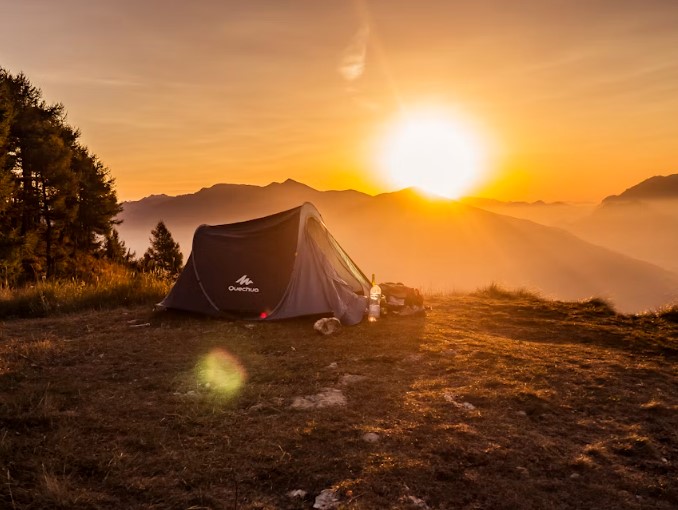

Knowing how to plan a weekend camping trip properly is what separates a relaxed two nights from a trip that feels like it needed a third day just to recover from the first. Two nights is a short window, and short windows punish poor planning far more than a week long trip does, because there is no slack day to absorb a mistake.
The good news is that a weekend is also simple to plan well once you know the sequence. Booking, packing and timing are the three things that actually matter, and each one has a short list of decisions rather than a long one.
The short answer
Book your site at least two to three weeks ahead for anywhere popular, confirm what facilities it actually has, and aim to arrive with two hours of daylight to spare on the first day. Pack for two nights using a checklist rather than memory, plan simple meals that need minimal cleanup, and build in one buffer hour on both travel legs. Leave the site mid morning on the last day rather than pushing for a late departure, since a rushed pack down undoes a good trip.
Booking, and why it matters more than people think
Weekend sites at popular campgrounds fill quickly, particularly anywhere within a couple of hours of a city. Booking two to three weeks ahead is the safe minimum for most places, and longer for anywhere genuinely sought after.
- Confirm water is actually available rather than assuming from a general listing, since supplies get shut off out of season without the website updating.
- Check fire rules for the current week, not the general policy, since bans respond to conditions and change fast.
- Read recent reviews if the platform has them, which surface issues like ongoing construction or a site that floods that an official listing will not mention.
- Pick your specific pitch if the booking system allows it, favouring corner or end sites for fewer neighbours.
Our full guide to how to book a campsite covers reading a listing properly before you commit.
Build the weekend around one buffer hour each way
The single change that improves a weekend trip more than anything else is treating travel time as unreliable and planning around that, rather than planning to the minute and hoping.
- Leave earlier than feels necessary on day one. Arriving with two hours of daylight left gives you time to survey the pitch properly, set up without rushing, and cook a real first meal.
- Plan the return leg for mid morning, not late afternoon. A late Sunday departure means packing down tired, driving in fading light, and arriving home with no evening left.
- Check the traffic pattern for your route, since weekend campground traffic follows predictable surges on Friday evening and Sunday afternoon.
- Build in one buffer hour on each leg for the inevitable stop, wrong turn or slower than expected packing.
Pack for two nights, specifically, not for a week
A weekend has a narrower gear list than a longer trip, and packing as though for a week wastes space and adds setup time for no benefit. Work from a checklist covering shelter and sleep, layered clothing, water and simple food, and light and safety basics. Our full camping checklist for beginners and the more focused first camping trip what to bring both cover this ground in detail, so there is no need to repeat the full list here.
The weekend specific adjustment is water and food volume. Plan on four litres of water per person per day, so roughly eight litres each for two nights, and our breakdown of how much water per person per day camping covers where that goes. For meals, three simple dinners and two easy breakfasts cover a standard weekend without overthinking it, and our camping meal plan for 3 days lays one out fully.
A rough shape for the two days
The specifics vary with the site and the group, but this shape works for most weekend trips and is worth adapting rather than inventing from scratch.
- Friday. Leave with enough margin to arrive with two hours of daylight. Set up camp fully, including the kitchen, before doing anything else. Keep the first evening simple.
- Saturday. The one full day. Plan the main activity, whether that is a hike, a lake or simply reading in a chair, for the morning while everyone has energy. Keep the evening unstructured.
- Sunday. Pack down before the main activity rather than after. A relaxed final morning followed by a rushed pack down in the heat of the afternoon is a common way to end a good weekend badly.
What actually goes wrong on weekend trips
Two nights is not enough time to recover from a bad decision, which is why it is worth being specific about the failure modes.
- Overplanning Saturday. Trying to fit a hike, a swim, a long lunch and a campfire into one day usually means none of it is relaxed. Pick one main activity and leave real space around it.
- Arriving in the dark on Friday. The single most common weekend trip mistake, and entirely avoidable by leaving earlier than feels necessary. If it happens anyway, our guide to how to set up camp in the dark covers making the best of it.
- Underestimating Sunday traffic. Every popular campground within range of a city empties out at roughly the same time on Sunday afternoon. Leaving mid morning avoids the worst of it.
Common mistakes
- Booking too late for a popular weekend. Two to three weeks ahead is the safe minimum, and long weekends need considerably more lead time.
- Packing as though for a week. A weekend needs a focused list, and overpacking slows down every part of setup and pack down.
- Planning zero buffer time. Travel estimates are optimistic by nature. Build in slack on both legs rather than planning to the minute.
- Leaving pack down until the last possible moment. A rushed Sunday departure is the part of the trip most likely to be remembered as stressful, and it is entirely preventable by starting earlier.
Frequently asked questions
How far in advance should I book a weekend camping trip?
Two to three weeks for most campgrounds, and considerably longer for popular sites or long weekends, which can fill months ahead. Booking platforms usually show availability clearly, so check early even if you are not ready to commit yet.
What should I do the first evening of a weekend camping trip?
Keep it simple. Arrive with daylight to spare, set up the full camp including the kitchen, and cook an easy first meal rather than anything ambitious. The first evening sets the tone, and a rushed or complicated one makes the rest of the weekend feel behind schedule.
How much should I plan for a two night camping trip?
One main activity for the single full day, simple meals that need minimal cleanup, and a pack down that starts before lunch on the last day. Overplanning a short trip is the most common way to make it feel rushed rather than relaxing.
What time should I leave a campsite on the last day?
Mid morning works better than late afternoon for most weekend trips, since it avoids the worst of Sunday traffic and means you arrive home with some evening left rather than pulling in exhausted after dark.
Wrapping up
How to plan a weekend camping trip comes down to three decisions handled well. Book early enough that the site you want is still available, build real buffer time into both travel legs, and resist the urge to overfill the one full day you have. Everything else is the packing list, which stays the same regardless of trip length.
The shape that works best is simple. Arrive unrushed, keep one day loosely structured, and leave before you have to.
For the complete trip planning picture beyond a single weekend, see our guide to how to plan a camping trip.