
How to stop condensation in a backpacking tent is a question nearly every hiker asks after waking up to a damp sleeping bag on an otherwise clear night. Condensation forms when warm, moist air inside the tent, mostly from your own breath and body, meets the cooler tent walls and turns back into liquid water, and while you cannot eliminate it entirely, you can manage it dramatically with the right habits.
The short answer
Maximize ventilation by opening vents and cracking doors, choose a campsite away from water sources and low-lying areas, and avoid pitching in fully enclosed spots with no airflow. These three habits address the root causes of most condensation problems.
Why condensation happens
Your body releases a surprising amount of moisture overnight through breathing and skin, and in an enclosed tent that moisture has nowhere to go except onto the nearest cool surface, usually the tent walls or rainfly. Humid outside air, cold overnight temperatures, and low airflow all make the problem worse, which is why condensation is most common on calm, humid nights near water.
Maximize airflow through your tent
Open every vent your tent has, even partially, and crack a door if weather allows, since moving air carries humidity out before it has a chance to condense on the walls. Double wall tents manage this better than single wall designs because the mesh inner body allows constant airflow between the two layers, but even a double wall tent benefits from open vents on humid nights.
Choose your campsite carefully
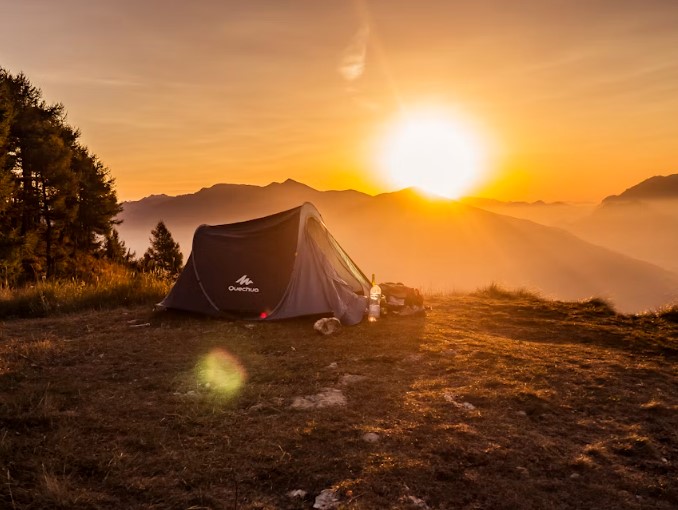
Avoid pitching near lakes, rivers, or in low valleys where cold, moist air naturally pools overnight. Slightly elevated, open sites with some breeze exposure dry out condensation much faster than sheltered spots tucked into dense trees or depressions. If you have a choice between two sites, the one with better airflow will almost always mean a drier tent by morning.
Manage your own moisture output
Avoid cooking inside your tent or vestibule when possible, since boiling water releases a significant amount of steam directly into the enclosed space. Keep wet gear like rain jackets and boots in the vestibule rather than the main tent body, and consider cracking a door slightly even in cool weather rather than sealing the tent completely.
Deal with condensation once it happens
A small microfiber towel packed specifically for wiping down tent walls in the morning makes a real difference, letting you clear condensation before it drips onto your sleeping bag or gear as you pack up. Shake out the rainfly before stuffing it if possible, and let your tent air dry at camp or at home whenever you get the chance rather than packing it away wet repeatedly.
Common mistakes
- Sealing the tent completely to stay warm. This traps moisture inside and makes condensation dramatically worse. Crack a vent or door even on cold nights.
- Cooking inside the tent or vestibule. The steam from boiling water adds a significant, avoidable moisture load to an already enclosed space.
- Pitching in low, sheltered spots for wind protection. These same sheltered spots trap cold, humid air and make condensation worse overnight.
- Packing a wet tent without airing it out. This not only leaves the tent damp for the next trip but can encourage mildew over time.
Frequently Asked Questions
Is condensation a sign my tent is defective?
No, condensation happens in nearly all tents under the right conditions and is a normal result of humidity and temperature difference, not a manufacturing flaw.
Do double wall tents eliminate condensation completely?
No, but they manage it significantly better than single wall tents, since the air gap between the mesh inner and rainfly intercepts moisture before it reaches your gear.
Does tent placement really make a big difference?
Yes, campsites near water or in low valleys consistently produce more condensation than elevated, breezy sites, often making a noticeable difference overnight.
Should I leave my rainfly off on clear nights?
If no rain is expected and bugs are not a concern, pitching with just the mesh inner body dramatically reduces condensation by maximizing airflow, though check the weather carefully first.
Wrapping up
Condensation can never be fully eliminated, but ventilation, smart site selection, and a few small habit changes go a long way toward drier mornings. For tents specifically built to manage moisture well, see our backpacking tents buying guide, and check out our best double wall backpacking tents roundup for models with strong ventilation design.