A packing list for a 3 day backpacking trip is where weight starts to actually matter, unlike car camping where you can throw in whatever fits. Every item on this list has to be carried on your back for two nights out, and the gap between a comfortable pack and a miserable one usually comes down to a handful of unnecessary extras rather than any single piece of essential gear.
This list assumes moderate terrain and a temperate three season trip. Adjust water and layers for hot or cold conditions, and treat total pack weight as the thing to optimise throughout, not just an afterthought once everything is already in the bag.
The short answer
Aim for a base weight, meaning everything except food, water and fuel, of around eight to twelve kilograms for a three day trip with standard gear. Cover the big three first: pack, shelter and sleep system. Then layered clothing, water treatment, food for three days plus a buffer, a stove, navigation, and a small first aid kit. Weigh your pack before leaving and remove anything you cannot justify.
The big three, which decide most of your total weight
Pack, shelter and sleep system together typically account for more than half of total base weight, so getting these right matters more than any other category.
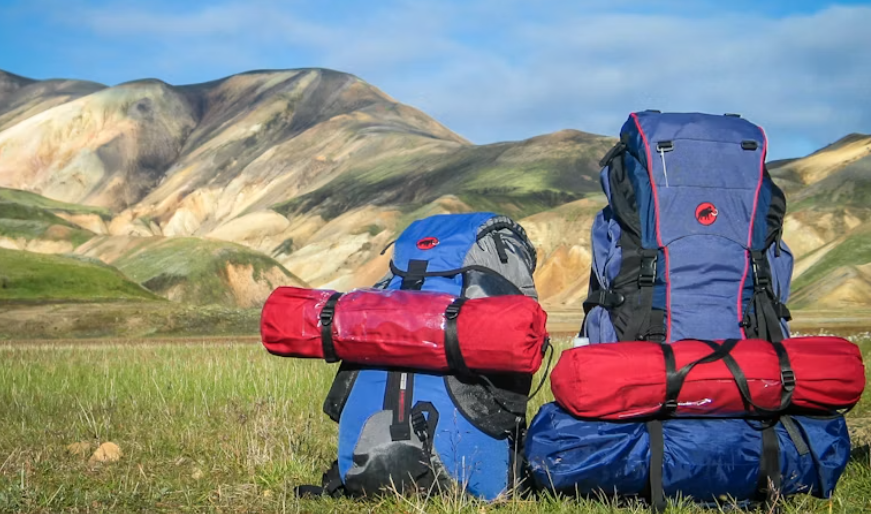
- Backpack, sized to the trip. A 50 to 65 litre pack suits most three day trips comfortably without excess unused space that tempts overpacking. Our roundup of hiking backpacks covers sizing in more detail.
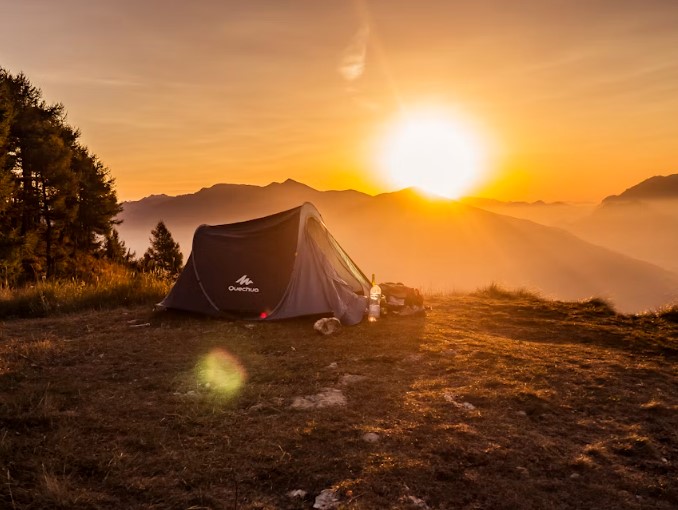
- Tent, ideally a lightweight two person or solo model depending on group size. Weight here matters more than almost anywhere else in the pack.
- Sleeping bag, rated appropriately for the expected overnight low, and ideally down or a high quality synthetic to keep weight reasonable.
- Sleeping pad, with an R value matched to conditions. Skimping here to save weight is the most common regret backpackers report.
Clothing, and the discipline of not overpacking it
Clothing is where new backpackers most often carry too much. A three day trip does not need three days of clean clothes, it needs a small set of layers that work together and dry quickly.
- One hiking outfit worn daily, quick drying, not cotton
- One dedicated sleeping base layer, kept dry and worn nowhere else
- Insulating layer for camp and evening, fleece or a light puffy
- Rain jacket, and rain pants if weather looks genuinely wet
- Two to three pairs of hiking socks, more if wet crossings are likely
- One warm hat, one sun hat, and gloves if nights are cold
- Camp shoes, lightweight, for after the boots come off
That list, worn and rotated across three days, is enough. Anything beyond it is weight without a clear purpose.
Water and food for three days
Backpacking water planning differs from car camping, since you are relying on sources along the way rather than carrying everything from the start.
- Water filter or purifier, plus a backup method such as chemical treatment in case the primary fails.
- Two 1 litre bottles or a reservoir, carried between refills rather than the full trip supply.
- Food for three days plus one buffer meal, in case of delay. Dehydrated meals, trail mix, and calorie dense snacks minimise both weight and cooking time.
- Bear canister or hang line, required in many areas and worth carrying regardless. Our guide to how to keep food safe from bears covers what is required where.
Our full breakdown of how much water per person per day camping applies here too, adjusted for the fact that you are refilling along the trail rather than carrying it all from the start.
Cooking, navigation and the smaller essentials
- Lightweight stove and enough fuel for three days, plus a lighter and matches as backup ignition.
- One pot, one cup, one spork. Backpacking kitchens should be minimal, since every extra item is carried weight for the entire trip.
- Map and compass, even with a GPS device, since electronics fail and batteries die.
- Headlamp with spare batteries, essential rather than optional this far from a car.
- First aid kit, focused on blisters, cuts and any personal medication, kept small and genuinely used rather than comprehensive and ignored.
- Repair kit, a small amount of tape, a needle and thread, and a multitool covers most field repairs.
- Trekking poles, which reduce knee strain significantly on multi day trips carrying a loaded pack.
What to leave behind
The other half of packing well is knowing what not to bring, since every unnecessary item is weight carried for three full days regardless of whether it gets used.
- Multiple changes of regular clothing. One worn outfit plus dedicated sleep layers is enough.
- A full sized pillow. A stuff sack filled with spare clothing works just as well.
- Camp furniture. A sit pad weighs almost nothing and does most of what a chair does.
- Excess cookware. One pot handles boiling water for most dehydrated meals and hot drinks.
- Books or entertainment beyond one small item, since tired legs rarely leave energy to read much at the end of a day of hiking.
Common mistakes
- Never weighing the pack before leaving. A loaded pack should be checked on a scale, since it is easy to underestimate how much small items add up to collectively.
- Skimping on the sleeping pad to save weight. Almost universally regretted. The R value that matches conditions is worth the extra grams.
- Packing multiple changes of clothes. The single most common source of unnecessary weight on a first backpacking trip.
- No backup fire starting method. A single lighter failing should not mean no hot food for three days.
Frequently asked questions
How much should a backpacking pack weigh for 3 days?
Base weight, meaning everything except food, water and fuel, should land around eight to twelve kilograms for most three season trips with standard gear. Adding roughly two kilograms per day of food and water on top gives a reasonable total pack weight for a three day trip.
Do I need a water filter for a 3 day backpacking trip?
Yes, unless the route has no natural water sources at all, which is uncommon on most three day routes. Carrying all the water needed for three days without refilling would add significant weight, so a filter or purifier plus a backup method is the standard approach.
How many clothes should I bring backpacking?
One worn hiking outfit, one dedicated dry sleeping layer, an insulating layer and rain gear covers a three day trip completely. Multiple changes of regular clothing are unnecessary weight, since quick drying fabrics can be worn repeatedly.
What is the biggest mistake first time backpackers make with packing?
Never weighing the finished pack before leaving. Small items add up quickly and unnoticed, and a pack that felt reasonable item by item can turn out significantly heavier than planned once everything is loaded together.
Wrapping up
A packing list for a 3 day backpacking trip works best built around the big three first, pack, shelter and sleep, then layered clothing kept genuinely minimal, then water, food and the small essentials. Weigh the finished pack before you leave and question anything that feels heavier than its usefulness justifies.
The skill that develops over repeated trips is not carrying more capable gear. It is carrying less of it, more deliberately.
For car camping trips where weight matters less, our camping checklist for beginners covers the fuller list, and how to plan a camping trip covers the rest of the planning process.