What size tarp do I need for camping depends mostly on what the tarp is covering, since a tarp for a solo hammock, a group kitchen, and a truck bed all call for genuinely different footprints even though they might use the same basic material and grommet layout. As a rule of thumb, a 9×9 to 10×10 foot tarp covers one or two people comfortably, while anything from 12×12 up to 16×20 feet is better suited to group kitchens or gathering spaces, and working through the actual math behind a specific setup makes the sizing decision far less guesswork than picking a number that sounds about right.
The short answer
For a solo backpacker or hammock camper, a 7×7 to 9×9 foot tarp is usually enough. For a couple or a small camp kitchen, look at 10×10 to 12×12 feet. For a group kitchen, truck bed setup, or gathering space, plan on 13×13 feet or larger. These ranges assume a reasonably steep pitch rather than a flat one, which matters more than it sounds like it should.
Why oversized tarps add more than just weight
A tarp sized larger than you actually need does not just add pack weight, it also catches more wind, requires more stakes and guy lines to pitch securely, and takes longer to set up and break down each time. A larger flat surface area under load also puts more strain on each individual grommet and seam during a gust, since the total wind force acting on the tarp scales with its surface area while the number of anchor points sharing that load often stays roughly the same. Sizing correctly for your actual use case, rather than defaulting to the biggest tarp available, generally results in a more manageable and more wind stable shelter overall, not just a lighter one.
Consider what the tarp needs to cover
A hammock tarp only needs to cover the diagonal lay of one hammock with a margin against wind-blown rain at each end, which is why dedicated hammock tarps run smaller than a general purpose ground tent tarp of similar weight, typically extending only a foot or two beyond each end of the hammock body itself. A truck bed setup needs to extend past the bed’s width on both sides and often over an open tailgate area too, which pushes the ideal size wider than a simple sleeping tarp, usually by at least two to three feet beyond the bed’s actual dimensions to account for the tailgate overhang. A camp kitchen tarp needs enough width and depth for people to move around a cooking area, which is where sizing up to 12×10 feet or larger genuinely pays off, since a cramped kitchen tarp means someone is constantly brushing against the edge or ducking under a low corner while cooking.
Account for pitch angle eating into coverage
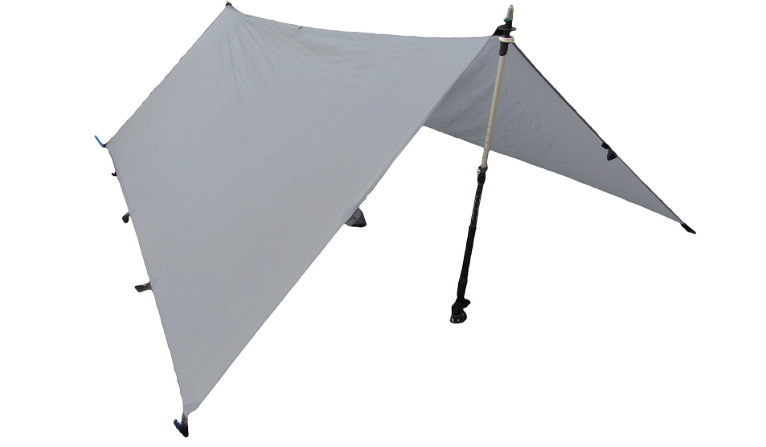
A steep A-frame pitch, the shape that sheds rain best, uses up some of a tarp’s total area on the sloped sides rather than leaving it all as flat overhead coverage, so a tarp that looks generously sized flat on the ground can feel tighter once pitched steeply for weather. As a rough guide, a tarp pitched at a 45 degree slope on both sides effectively loses somewhere around 25 to 30 percent of its flat-ground footprint as usable floor coverage, since that area is now consumed by the angled fabric itself rather than sitting directly overhead. If you expect to pitch steep often, sizing up by roughly that same margin beyond what a flat-pitch calculation suggests is a reasonable buffer.
A worked example for sizing a couple’s tarp
Say you are shopping for a tarp to cover two sleeping pads side by side, each roughly 2 feet wide and 6.5 feet long, for a combined flat footprint of about 4 feet by 6.5 feet. Add at least a foot of margin on every side to keep wind-driven rain from reaching the sleeping area even when the tarp is pitched at an angle, which brings the target flat coverage to roughly 6 feet by 8.5 feet. Now factor in the 25 to 30 percent reduction from a steep A-frame pitch discussed above, and that 6×8.5 foot target effectively needs a tarp closer to 8×11 feet or a comparable 9×9 to 10×10 foot square tarp to deliver the same real coverage once it is actually pitched for rain rather than laid flat on the ground. This is exactly why the general “10×10 covers a couple” guideline holds up in practice despite feeling generous on paper, and running the same math with your own gear’s dimensions is a quick way to sanity check any tarp size before buying.
Match size to group size for kitchen and gathering tarps
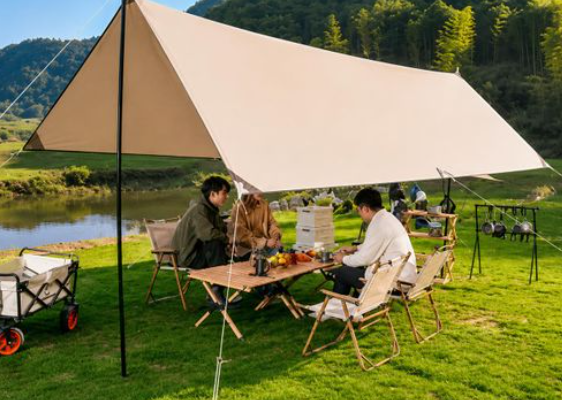
For a couple’s camp kitchen, a 10×10 to 12×10 foot tarp is generally enough room for a camp stove, a folding table, and a bit of walking space. For a larger family or group, sizing up to 13×13 or even 16×20 feet, like the largest options in the ABCCANOPY heavy duty poly tarp line, gives everyone room to move without constantly bumping into the tarp’s edge or each other underneath it, and it also means the tarp can be pitched a bit higher for standing headroom without losing as much usable ground coverage to the resulting slope.
Factor in how you are transporting the tarp
A larger tarp means a bigger, heavier packed bundle, which matters if you are backpacking or have limited vehicle storage space. Weigh the coverage benefits of a bigger tarp against how much room you realistically have to carry and store it, since the largest tarp available is not always the practical choice for your actual trips, particularly if it spends most of the year folded in a garage rather than actually pitched at a campsite.
Common mistakes
- Buying the biggest tarp available regardless of use case. Extra size adds weight, wind resistance, and setup time without necessarily adding meaningful protection for a solo or couple’s trip, and the added strain on grommets under wind load can actually make an oversized tarp less durable over time than a correctly sized one.
- Sizing a hammock tarp like a ground tent tarp. Hammock coverage needs are shaped differently, concentrated along a diagonal line rather than a rectangle, and a properly sized dedicated hammock tarp weighs and packs better while still covering the areas that actually matter.
- Ignoring how pitch angle reduces effective coverage. A tarp that looks big enough laid flat can feel tight once pitched steeply for rain protection, since as much as a quarter to a third of its flat footprint gets consumed by the angled sides rather than sitting overhead.
- Underestimating kitchen and group tarp needs. A tarp sized for sleeping alone is usually too small for a group cooking and moving around underneath it, and a cramped kitchen setup often leads to someone knocking a pot against the tarp’s edge or working in a half-covered corner during rain.
Frequently Asked Questions
Is a 10×10 tarp big enough for two people?
Yes, a 10×10 foot tarp typically gives two people comfortable overhead coverage plus a bit of gear space, making it a popular general purpose size for couples, and the worked example above shows roughly why that size works out even after accounting for a steep rain pitch.
What size tarp do I need for a hammock?
Most hammock tarps run from 9×9 to 12×10 feet, sized to cover the diagonal lay of the hammock with margin at each end against wind-blown rain, though a shorter hammock or a calmer typical climate can get by with something toward the smaller end of that range.
How big should a tarp be for a group camp kitchen?
Plan on at least 12×10 feet for a small group, and 13×13 feet or larger for a bigger gathering, giving people room to move around a cooking area without constantly touching the tarp’s edges or ducking under a low, sloped corner.
Does tarp shape matter as much as size?
Yes, a tarp with multiple guy-out points can be pitched into different shapes that make more efficient use of the same total fabric area than a basic rectangular tarp with only corner tie-outs, effectively getting more usable coverage out of the same square footage of material.
Wrapping up
Sizing a tarp correctly for its actual job, whether that is a solo hammock, a couple’s shelter, or a group kitchen, generally serves you better than defaulting to the largest option available, and running a quick worked calculation against your own gear dimensions takes the guesswork out of the decision. See our tarps and canopies buying guide for the full range of sizes across use cases, and our best heavy duty tarps for a camp kitchen roundup covers larger group-oriented options in more depth.