The best backpacking tents for desert heat prioritize airflow above almost everything else, since the main challenge in hot, dry conditions is keeping air moving through the tent rather than shielding against rain or cold the way most tent marketing assumes. A tent built primarily for wet weather often becomes a stuffy box in the desert, while one designed with generous mesh handles the heat considerably better even with similar overall specs.
The mistake buyers make in this category is choosing a tent based on its rain performance alone, without checking how much of the body is actual mesh versus solid fabric, since that ratio decides comfort on a hot desert night far more than fly coverage does. For the full range this sits within, our backpacking tents buying guide covers the category more broadly.
Best [Category] Comparison
| Name | Key features |
|---|---|
| Big Agnes Copper Spur HV UL2 | Mostly mesh body, excellent airflow |
| Nemo Hornet OSMO 2P | Lightweight, large mesh panels |
| REI Co-op Flash Air 2 | Minimal fly footprint, strong ventilation |
| Sea to Summit Telos TR2 | Adjustable venting, roomy interior |
| Naturehike Cloud Up 2 | Budget friendly, dual mesh doors |
Every tent here prioritizes real airflow over maximum weather protection, and the right pick depends on how much you are willing to trade in price or interior space for the most open mesh design.
1) Big Agnes Copper Spur HV UL2 (Best overall)
The Big Agnes Copper Spur HV UL2 uses an unusually high proportion of mesh in its inner body, which becomes the deciding factor in a desert environment where a stuffy tent means a genuinely bad night’s sleep. The fly can be pitched partially or left off entirely on a clear desert night, turning the tent into essentially a mesh shelter against sand and insects rather than a sealed box.
Interior space is generous thanks to the near vertical wall geometry, and the lightweight construction matters in the desert too, since long approaches to backcountry desert sites often mean more total mileage than a comparable forest trip. The lighter floor fabric benefits from careful site selection on abrasive sand or rock, which desert terrain often provides in abundance.
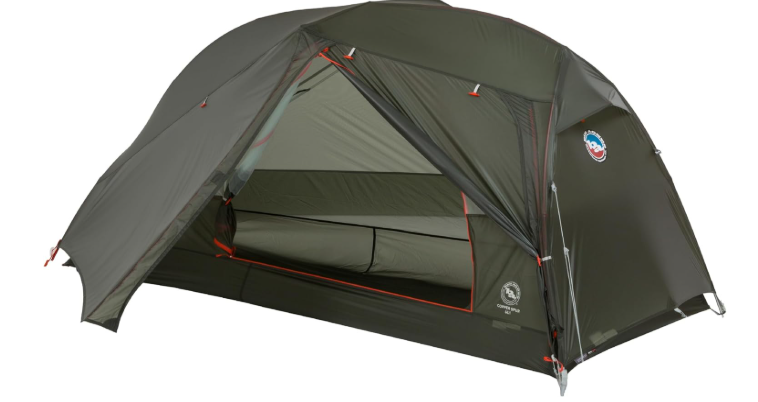
Big Agnes Copper Spur HV UL2
- Weight3 lb 2 oz
- Capacity2 person
- Packed size6 x 18 in
- Season rating3 season
Key features
- High mesh proportion in the inner body
- Fly can be pitched partially or left off entirely
- Lightweight for long desert approaches
Pros
- Best real airflow of any option on this list
- Roomy interior for the weight
- Flexible fly use for clear desert nights
Cons
- Lighter floor fabric needs care on abrasive terrain
- Offers less wind blocked warmth on genuinely cold desert nights
What we liked
- Best airflow here
- roomy interior
- flexible fly options
What we did not
- Floor needs care on abrasive ground
- less warmth on cold nights
For the hottest, driest conditions where a stuffy tent is the real enemy, this is the shelter that solves that problem most directly.
Check the current price2) Nemo Hornet OSMO 2P (Best for pack weight)
The Nemo Hornet OSMO 2P pairs a genuinely lightweight build with large mesh panels, making it a strong choice for desert backpackers who are also covering serious mileage to reach remote sites. The OSMO fabric blend resists UV degradation notably well, a real consideration given how much direct sun desert camping gear endures over repeated trips.
Interior space runs a little tighter than the Copper Spur above, the expected trade for the lower weight, and the fly, while removable for star gazing on clear nights, offers less margin if an unexpected desert storm rolls through. Desert weather can shift fast, so checking the forecast before leaving the fly off matters more here than in most climates.
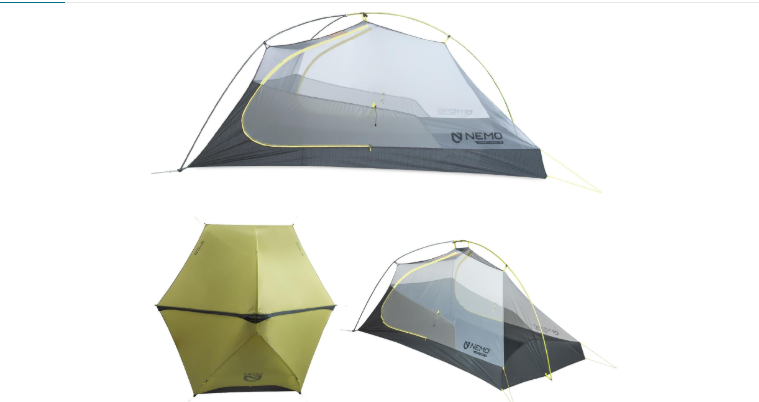
Nemo Hornet OSMO 2P
- Weight2 lb 9 oz
- Capacity2 person
- Packed size6 x 17 in
- Season rating3 season
Key features
- Large mesh panels throughout the body
- OSMO fabric blend resists UV degradation
- Lightweight for long desert approaches
Pros
- Lightest option on this list
- Strong UV resistance for repeated desert exposure
- Good airflow through large mesh panels
Cons
- Tighter interior than the Copper Spur above
- Less margin if desert weather turns unexpectedly
What we liked
- Lightest here
- strong UV resistance
- good mesh airflow
What we did not
- Tighter interior
- less margin in sudden weather
For desert backpackers covering real mileage to reach remote sites, the lower weight here pays off across a long approach.
Check the current price3) REI Co-op Flash Air 2 (Best for minimal footprint)
The REI Co-op Flash Air 2 uses a minimal fly footprint by design, built around the idea that many hot weather trips do not need full ground level rain coverage, which frees up more mesh exposure and better cross ventilation than a full coverage fly design allows. That trade off suits genuinely dry desert climates well.
The two pole trekking pole assisted structure keeps weight reasonable, and REI’s return policy takes some risk out of trying a design this specialized for the first time. It is a poor choice for genuinely wet or stormy conditions given the minimal fly, so it works best for backpackers confident in a dry forecast.

REI Co-op Flash Air 2
- Weight2 lb 4 oz
- Capacity2 person
- Packed size6 x 15 in
- Season rating3 season
Key features
- Minimal, reduced coverage fly
- Two pole trekking pole assisted structure
- Maximized mesh exposure
Pros
- Excellent airflow from the minimal fly design
- Reasonable weight for the category
- Backed by REI’s return policy
Cons
- Poor protection if genuine rain or storms occur
- Requires confidence in a dry forecast
What we liked
- Excellent airflow
- reasonable weight
- reassuring return policy
What we did not
- Poor storm protection
- needs a reliably dry forecast
For desert trips where the forecast is genuinely reliable and dry, this design maximizes comfort at the cost of storm margin.
Check the current price4) Sea to Summit Telos TR2 (Best for adjustable venting)
The Sea to Summit Telos TR2 includes an adjustable venting system on the fly itself, letting you fine tune airflow without fully removing rain protection, which matters on desert trips where daytime heat and nighttime cool can swing more than in other climates within the same 24 hours. That flexibility is a genuine advantage over a fixed fly design.
Interior space is among the roomiest on this list thanks to a unique asymmetric pole structure, and the fabric holds up well to repeated sun exposure. It runs heavier than the ultralight options here, a reasonable trade for the added venting control and interior room.
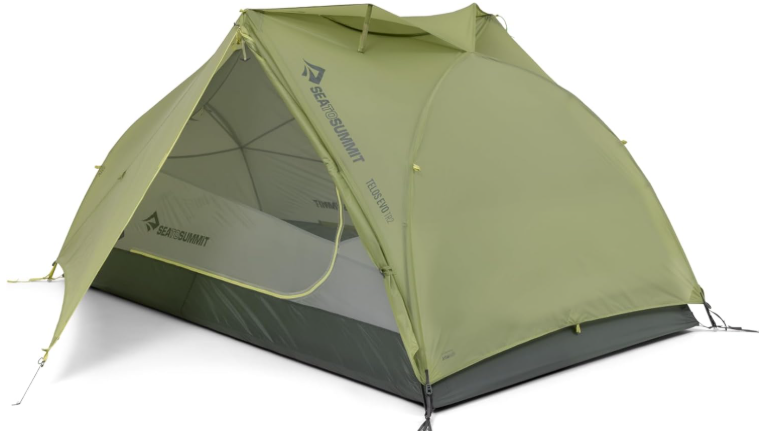
Sea to Summit Telos TR2
- Weight3 lb 7 oz
- Capacity2 person
- Packed size7 x 19 in
- Season rating3 season
Key features
- Adjustable fly venting system
- Unique asymmetric pole structure for interior room
- Fabric resists repeated sun exposure well
Pros
- Flexible venting for temperature swings in the same day
- Roomiest interior on this list
- Strong fabric durability under sun exposure
Cons
- Heavier than the ultralight options here
- Priced above budget alternatives
What we liked
- Adjustable venting flexibility
- roomiest interior
- durable under sun
What we did not
- Added weight
- higher price
For desert trips with real daytime to nighttime temperature swings, the adjustable venting here handles that shift better than a fixed design.
Check the current price5) Naturehike Cloud Up 2 (Best value)
The Naturehike Cloud Up 2 brings dual mesh doors and a low, ventilated profile at a price well below the premium options here, making it an accessible entry point for desert backpacking without a major investment. The low profile also happens to shed the occasional strong desert wind reasonably well, a useful secondary benefit.
The thinner floor fabric is worth noting specifically for desert terrain, since sand and rock can be genuinely abrasive over repeated trips, so a footprint is a sensible addition rather than optional here. Interior space runs tighter than the pricier options, the expected trade for the low price.
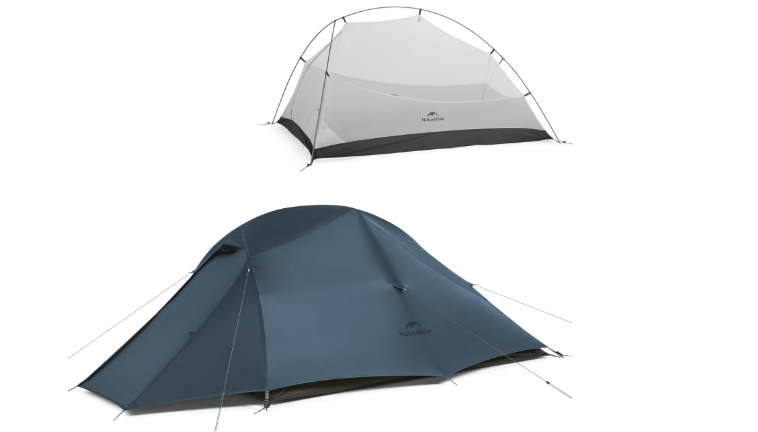
Naturehike Cloud Up 2
- Weight3 lb 5 oz
- Capacity2 person
- Packed size6 x 16 in
- Season rating3 season
Key features
- Dual mesh doors for cross ventilation
- Low, wind resistant profile
- Budget friendly price
Pros
- Most affordable option on this list
- Good cross ventilation from dual mesh doors
- Low profile handles occasional wind well
Cons
- Thinner floor fabric needs a footprint on abrasive desert terrain
- Tighter interior than the pricier options here
What we liked
- Most affordable option
- good cross ventilation
- handles wind reasonably
What we did not
- Thin floor needs a footprint
- tighter interior
For desert backpackers on a tighter budget who still want genuine airflow, this delivers most of the comfort at a fraction of the price.
Check the current priceFrequently asked questions
Should I pitch a tent without the rainfly in the desert?
On a clear night with a reliable forecast, leaving the fly off or only partially pitched genuinely improves comfort by maximizing airflow through the mesh body. Desert weather can shift quickly, though, so checking the forecast carefully before doing this matters more than in most other climates.
Does tent color matter for desert heat?
Lighter colored tents reflect more sunlight and stay somewhat cooler during the day than darker colored ones, though this matters most for a tent left standing during daylight hours rather than one only used at night, since desert temperatures drop considerably after sunset regardless.
How much mesh should a tent have for desert camping?
More is generally better for desert comfort, with tents like the Big Agnes Copper Spur HV UL2 here using a mostly mesh inner body specifically for this reason. A tent with mostly solid fabric walls will feel noticeably stuffier on a hot desert night.
Do desert tents need a footprint even though it rarely rains?
Yes, arguably more than in other climates, since desert ground is often genuinely abrasive to a tent floor through sand and sharp rock. A footprint protects the floor fabric regardless of rain and is a sensible addition for any of the lighter floor tents on this list.
Conclusion
For most desert backpackers, the Big Agnes Copper Spur HV UL2 offers the best combination of real airflow and roomy interior space, making it the top choice for genuinely hot, dry conditions. Backpackers covering long approaches to remote desert sites should prioritize the Nemo Hornet OSMO 2P instead, since its lower weight pays off across serious mileage.
Anyone on a tighter budget who still wants solid desert comfort should look at the Naturehike Cloud Up 2. Campers heading into desert areas known for sudden storms or genuinely unpredictable weather should skip the minimal fly REI Flash Air 2 and choose a tent with full rain coverage instead, since a minimal fly offers little margin if conditions shift unexpectedly.
Once your shelter is settled, our guide to how much water per person per day camping covers hydration planning for hot conditions, and how to choose a campsite covers finding shade and shelter in exposed desert terrain.
Buy the Big Agnes Copper Spur HV UL2 for the best overall airflow and space, the Nemo Hornet OSMO 2P if pack weight matters most, and a full coverage tent instead if the desert forecast looks unpredictable.