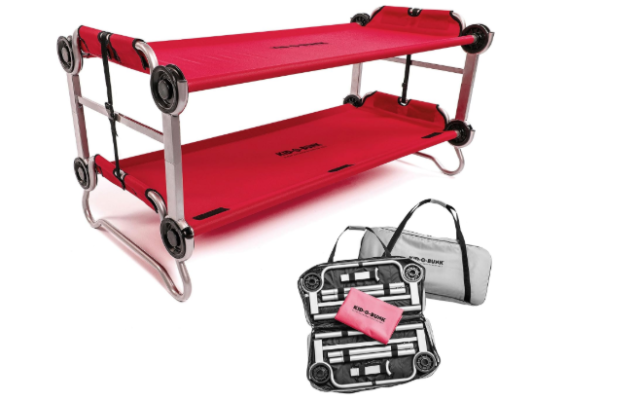
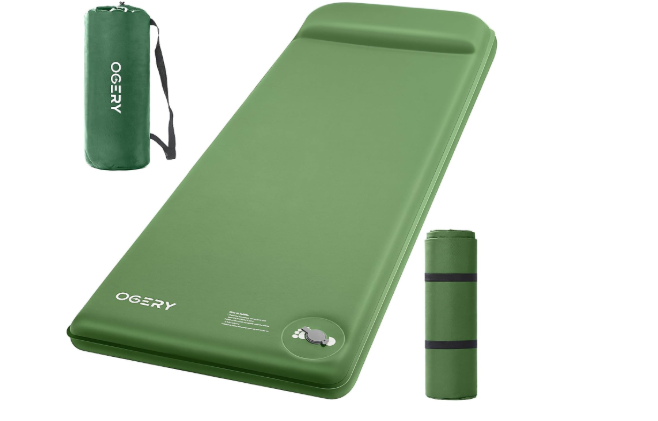
Cot vs air mattress for camping is the choice most car campers eventually face once they decide the bare tent floor is not cutting it anymore, and the right answer depends heavily on how much you value ground clearance and setup speed versus a softer, more mattress-like sleeping feel. A camping cot is a raised frame, usually steel or aluminum tubing, with fabric stretched across the top to form the sleeping surface, while an air mattress is an inflatable bladder that sits directly on the tent floor and relies on trapped air for both cushioning and insulation. Neither option wins outright, and the better pick comes down to your tent’s floor space, how cold your typical trips run, and whether you are willing to deal with a slow leak at some point down the road.
The short answer
Choose a cot if you want to be raised off cold or uneven ground, want a surface that cannot puncture and deflate overnight, and do not mind a taller sleeping position inside the tent. Choose an air mattress if floor space is tight, you want the softest possible sleeping feel, or you are sharing a bed with a partner and want a single wide surface rather than two separate cots. Most campers pitching on groomed campground sites with mild weather do fine with either, while anyone camping on rocky or uneven ground, or in cold shoulder-season conditions, tends to prefer a cot over time.
Side by side
| Factor | Cot | Air mattress |
|---|---|---|
| Setup time | 2 to 5 minutes | 3 to 10 minutes with a pump |
| Puncture risk | None to the sleeping surface | Real risk from rocks, zippers, pets |
| Ground insulation | Needs a pad or clip-in insulation below freezing | Some models insulate on their own |
| Floor space used | More, raised off the floor | Less, sits flat on the floor |
| Typical weight range | Roughly 5 to 20 lb | Roughly 5 to 15 lb plus a pump |
Camping cots explained

A camping cot is built around a rigid frame, most commonly welded steel tubing on budget and mid-range models or aluminum alloy poles on premium lightweight versions, with a taut fabric bed, usually a polyester or ripstop nylon weave, stretched between the side rails. Folding legs lock into place with either a simple pin-and-sleeve connection or, on higher-end models, a spring-loaded quick-connect mechanism, and the frame’s rigidity is what keeps the sleeping surface from sagging the way a hammock does, since the fabric is under constant tension rather than relying on air pressure to hold its shape.
Because the bed is raised anywhere from roughly 6 to 20 inches off the ground depending on the model, a cot clears cold air that pools at floor level on chilly nights, keeps you away from ground moisture that can seep through even a well-sealed tent floor, and puts you above small rocks or roots that would otherwise poke through a thinner sleeping pad. The trade-off is that a bare cot fabric surface provides no insulation on its own, since air can circulate freely underneath the bed, which means a cot used without an insulated pad or sleeping bag rated for the temperature will actually feel colder than sleeping directly on an insulated air mattress on the ground.
Air mattresses explained
An air mattress relies on an inflatable bladder, typically made of PVC or TPU-coated fabric with internal fiber or coil baffles that keep the mattress from ballooning into a rounded shape under body weight, instead holding a flatter, more bed-like profile once fully inflated. A battery or plug-in pump forces air into the bladder through a one-way valve, and the trapped air itself acts as both the cushioning medium and, on some models with reflective internal layers, a meaningful source of insulation from the cold ground beneath the tent floor.
Because the mattress sits flush on the tent floor rather than raised on a frame, it uses less vertical space inside the tent and works well in smaller shelters where a cot’s footprint and height would feel cramped. The obvious vulnerability is puncture risk, since a sharp rock under the tent floor, a stray zipper pull, or a pet’s claws can open a slow leak that leaves you sinking to the ground partway through the night, a failure mode a cot’s taut fabric bed simply cannot experience in the same way.
Where each one wins
Comfort
Largely a personal preference. An air mattress gives a softer, more traditional bed-like feel and is generally preferred for two people sharing a wide surface, while a cot gives a firmer, more consistent feel that does not shift or redistribute air when your sleeping partner moves.
Cold weather
A cot wins here only when paired with a properly rated insulated pad or an add-on clip-in insulation layer, since the raised design otherwise allows cold air to circulate underneath the bed. A basic air mattress without a reflective insulating layer performs worse still, since the air inside cools along with the outside temperature and conducts that cold directly into your body.
Setup effort
A cot generally wins, since folding out a steel or aluminum frame and locking the legs takes a few minutes with no equipment beyond the cot itself, while an air mattress requires a working pump, either battery powered or a manual foot pump, adding a point of failure that a cot simply does not have.
Packed size and weight
Roughly comparable, though this varies a lot by specific model. A budget steel cot is often bulkier than a budget air mattress, while a premium aluminum-frame cot can pack down smaller and lighter than a queen-sized air mattress and its pump.
Durability over a season
A cot wins clearly, since there is no air bladder to puncture or slow-leak over time, and a well-built steel or aluminum frame can last many seasons with basic care, while an air mattress is a wear item that eventually develops a leak, even with careful handling.
Which should you buy
If you camp on rocky, uneven, or cold ground and want a sleeping surface that will not deflate partway through the night, a cot paired with a properly insulated pad is the more dependable choice over a full season of use. If floor space inside your tent is limited, or you are sharing a bed with a partner and want the softer, more traditional feel of an air mattress, that option makes more sense, as long as you accept the ongoing puncture risk. For a closer look at how a cot stacks up against sleeping directly on a pad instead, see our cot vs sleeping pad comparison.
Frequently Asked Questions
Is a cot or an air mattress warmer for camping?
Neither is automatically warmer on its own. A cot without insulation underneath actually runs colder than an insulated air mattress, since cold air circulates freely beneath a raised bed, while an air mattress without a reflective layer also conducts cold poorly. Pairing either one with a properly rated insulated pad or sleeping bag is what actually determines warmth.
Can an air mattress puncture easily in a tent?
It is a real risk rather than a rare event, since small rocks or debris under the tent floor, a stray zipper, or a pet’s claws can all open a slow leak. Many campers use a footprint or groundsheet under the tent specifically to reduce this risk, though it does not eliminate it entirely.
Do cots take up more room in a tent than an air mattress?
Generally yes, since a cot’s frame legs extend outward to support the raised bed, while an air mattress sits flush on the floor and uses only its own footprint. This makes air mattresses a better fit for smaller tents where floor space is at a premium.
Which lasts longer, a cot or an air mattress?
A well-built cot typically lasts longer, since there is no air bladder to develop a leak over time. An air mattress is a wear item that eventually punctures or loses its seal, even with careful use and storage, while a steel or aluminum cot frame can last many seasons with only basic maintenance.
Buy a cot if you want a raised, puncture-proof sleeping surface for rocky or cold ground, and an air mattress if tent floor space is tight or a softer, bed-like feel matters more to you.