Working out how to dry wet gear at camp is a skill that matters more than almost any other once a trip turns wet, because damp gear compounds. Wet boots make wet socks, a wet sleeping bag ruins the next night, and a tent packed away soaked grows mildew before you get home. None of that needs to happen, and none of it needs equipment you did not already bring.
The physics is simple even when the situation feels chaotic. Moisture moves from wet things to dry air, faster with warmth, faster with airflow, and faster with more surface area exposed. Everything below is that principle applied to specific gear.
The short answer
Get air moving before you worry about heat, since airflow dries gear even in cold weather. Hang wet items rather than balling them up, and separate layers so air reaches every surface. Use body heat and a sleeping bag liner for critical items overnight. Never dry synthetic or down gear too close to a fire, since both melt and scorch easily. Pack wet gear separately from dry gear so nothing spreads dampness through your bag.
Airflow does more than heat
The instinct is to get close to a fire or a heater, and heat helps, but moving air removes water even at ambient temperature. A wet jacket hung in a breeze dries faster than the same jacket left flat and still in a warm tent.
- Hang everything, do not pile it. A jacket draped flat on a rock dries on one side. Hung with airflow on both sides, it dries twice as fast.
- Turn items inside out periodically so the wetter interior gets its turn facing the air.
- Open every zip and pocket. Trapped pockets of damp air inside a closed jacket do not exchange with the drier air outside.
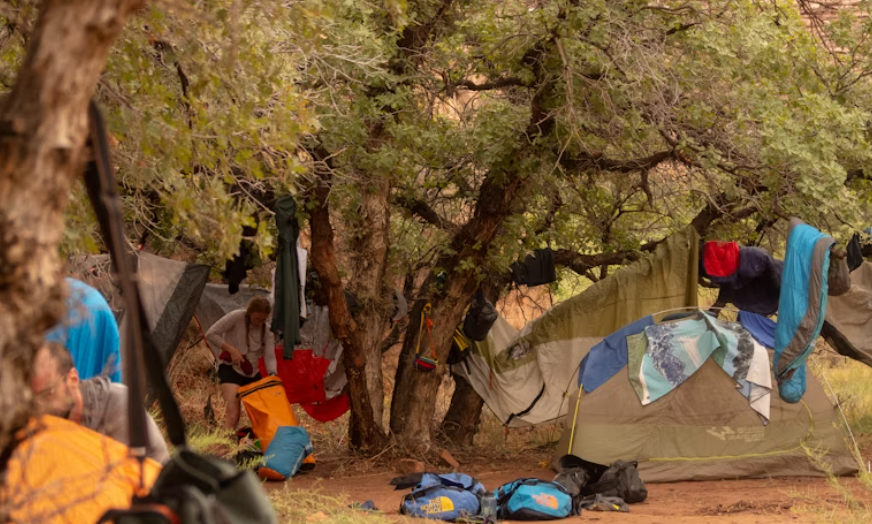
- Use guy lines as a drying rack. A length of paracord strung between two trees or through a vestibule holds several items at once.
- Move gear as the sun moves, if you have any, since direct light adds real drying power beyond just the air.
Boots and socks, the item that ruins the most trips
Wet feet are the single most common reason a trip goes from uncomfortable to genuinely miserable, and boots take far longer to dry than anything else you carry.
- Remove the insoles. They hold a surprising amount of moisture and dry far faster on their own.
- Loosen the boot fully and open the tongue as wide as it goes to expose the interior to air.
- Stuff with dry material. A spare shirt, socks, or even dry grass wicks moisture out of the interior lining. Change the stuffing once it dampens.
- Never put boots directly next to flame. The rubber and synthetic components warp and crack from heat that feels moderate to your hand.
- Sleep with tomorrow’s socks in your sleeping bag if they are damp. Body heat dries a thin pair of socks overnight without any other equipment.
Boots that stay wet through repeated trips are worth reconsidering entirely, and our roundup of the best winter hiking boots covers models built to shed water in the first place.
Down and synthetic insulation need different handling
Wet down is a genuine problem, since it loses almost all of its loft and therefore all of its warmth once soaked. Synthetic insulation handles damp far better and keeps some warmth even wet, which is worth knowing when deciding what to trust on a trip with real rain risk.
For a wet down jacket or bag, shake it out thoroughly and separate the baffles by hand periodically as it dries, because clumped wet down dries unevenly and stays cold in patches. Keep it away from direct flame entirely. A single spark burns a hole instantly and the loss is expensive. If you can get it into low ambient heat, such as a warm tent in sun, that is far safer than anything with an open flame nearby.
Our roundup of the best insulated jackets for camping covers which fill type suits a trip where getting wet is a real possibility.
The tent itself, and why packing it wet matters
A tent packed away wet and left in a bag for even a few days grows mildew, which damages waterproof coatings permanently and cannot be fully removed. If you cannot dry it fully before leaving, at minimum shake off as much water as possible and pitch it again the moment you get home.
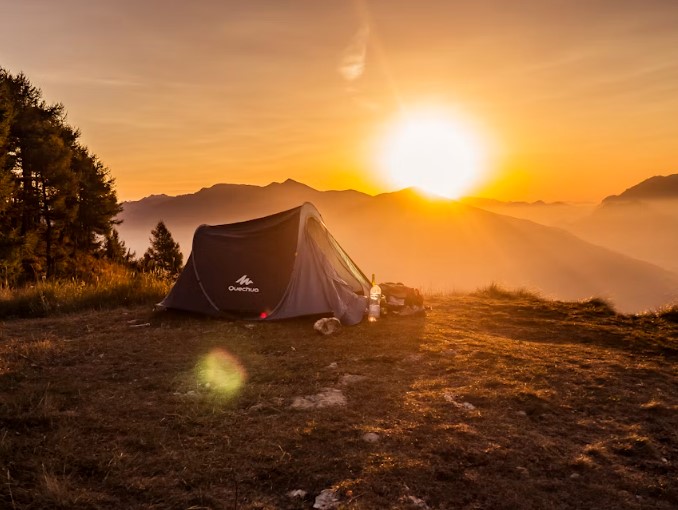
At camp, if the rain has stopped, pitch the fly separately over a line or across two trees rather than repacking it wet into the stuff sack. Even twenty minutes of airflow before packing makes a meaningful difference to what greets you when you unpack it next time.
Overnight drying using your own body heat
This is the method experienced campers rely on for the items that matter most by morning. Put damp socks, gloves or a base layer inside your sleeping bag, close to your body but not directly against skin if it is genuinely wet. Body heat over several hours dries thin items completely, and you wake with dry gear rather than gear that sat cold and damp all night in a corner of the tent.
This only works for thin items. A soaked jacket or boots are too much moisture for body heat alone to handle overnight, and trying anyway just makes your sleeping bag damp as well.
Common mistakes
- Drying gear too close to a fire. Synthetic fabric melts, down scorches, and boots warp, all from heat that feels reasonable to bare skin. Give everything more distance than instinct suggests.
- Balling up wet clothing. Traps moisture against itself and barely dries at all. Hang or spread everything flat with air on both sides.
- Packing the tent away wet without shaking it first. A few extra minutes of airflow before rolling it up meaningfully reduces the mildew risk waiting at home.
- Ignoring boots until the last minute. They take the longest of anything you carry. Start drying them the moment you stop walking, not the moment you notice they are still wet the next morning.
Frequently asked questions
Can you dry gear by a campfire?
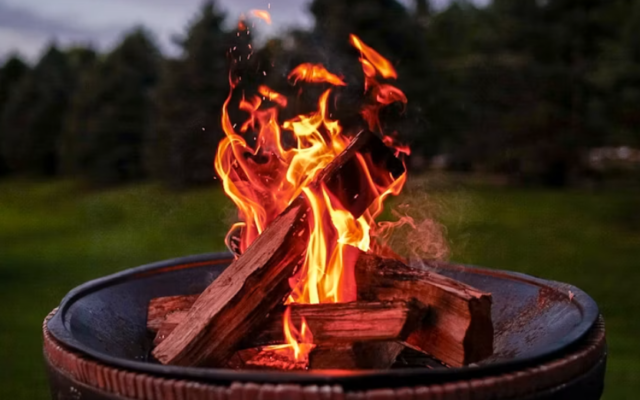
Yes, with real distance, since fire dries faster than air alone but damages synthetic fabric, down and rubber components quickly at close range. Hang items well back and turn them regularly rather than leaving anything unattended near the flame.
How do I dry wet boots overnight?
Remove the insoles, loosen the boot fully, and stuff the interior with dry material such as a spare shirt to wick moisture out. Keep them away from direct heat, which warps the materials. Change the stuffing once and expect them to be damp but wearable by morning rather than fully dry.
Is wet down sleeping bag still warm?
Not much. Down loses most of its insulating loft when wet, which is its main weakness against synthetic fill. Shake it out and separate clumped areas by hand as it dries, and avoid any direct flame near it, since a single spark burns through instantly.
Should I pack a wet tent separately from dry gear?
Yes, always. A wet tent packed against dry sleeping gear transfers moisture into everything around it. Use a dry bag or a plastic sack for anything still damp, and dry the tent fully the moment you are home to prevent mildew.
Wrapping up
How to dry wet gear at camp comes down to maximising airflow, using body heat overnight for thin items, and keeping everything well clear of open flame. Boots take priority because they take longest, and down insulation needs the most careful handling because it loses the most performance when wet.
None of this requires equipment beyond what a normal trip already carries. A length of cord and a willingness to check on gear periodically through the evening covers almost every situation you will actually face.
For the wider picture on staying dry in the first place, see our guide to how to keep a tent dry in heavy rain, and campsite skills and camp craft covers the rest of the fundamentals.