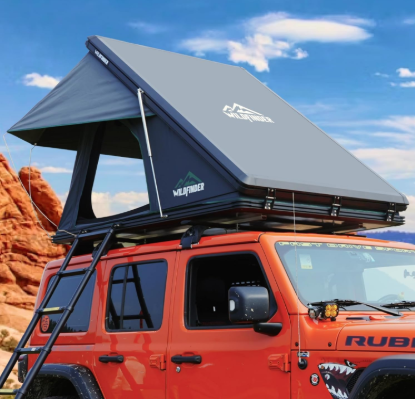
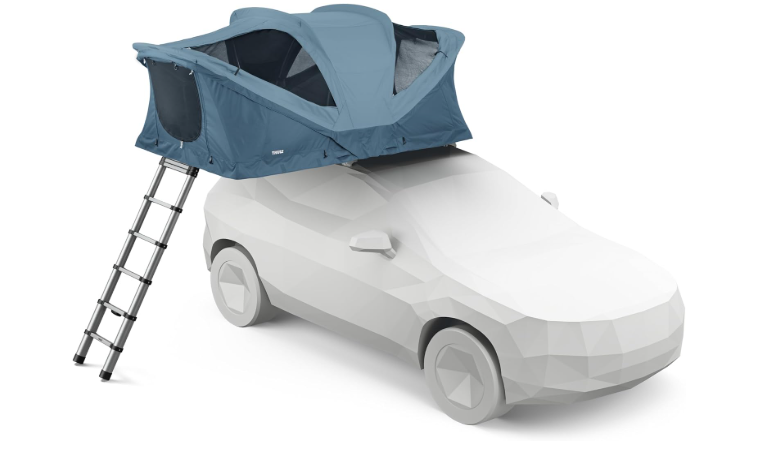
Thule vs iKamper rooftop tents pits two of the most established premium brands in the category against each other, and the right choice often comes down to shell type preference and small differences in finish rather than any dramatic gap in quality. Thule’s Tepui-derived lineup spans both softshell and hardshell designs built around the brand’s roof rack heritage, while iKamper focuses almost entirely on hardshells with a diamond-shaped floor plan and a reputation for setting the benchmark other hardshell brands get compared against. Both brands sit at the premium end of the market, so the decision is less about budget and more about which specific design philosophy, floor plan shape, and included feature set fits your camping style.
The short answer
Choose Thule if you want the flexibility of both softshell and hardshell options, or specifically want a more affordable premium tent. Choose iKamper if you want the benchmark hardshell experience with a roomier diamond floor plan and want to prioritize a fast, polished setup above all else. Buyers who are not sure whether they want a hardshell at all often start by looking at Thule’s softshell range, while anyone already committed to a hardshell purchase tends to end up comparing the two brands directly at that price tier.
Side by side
| Factor | Thule | iKamper |
|---|---|---|
| Shell type | Softshell and hardshell options | Hardshell focused |
| Price for comparable capacity | Premium | Premium, often the higher of the two |
| Floor plan | Rectangular | Diamond-shaped, wider mid-tent |
| Setup time | Under 1 to 7 minutes depending on model | Under 1 minute |
| Typical weight range | Roughly 128 to 150 lb | Roughly 105 to 155 lb |
Thule explained
Thule’s rooftop tent range, built on the Tepui name the brand acquired, offers buyers a genuine choice between softshell models like the Foothill and Kukenam and hardshell models like the Explorer and Low-Pro, giving more flexibility in price and setup style within a single brand. The materials and mounting hardware reflect Thule’s long history in roof racks and cargo systems, and the softshell options in particular give buyers a way into the brand’s quality at a lower price than a full hardshell commitment requires, since the softshell construction is inherently less expensive to manufacture than a molded composite shell.
Within its own hardshell models, Thule uses a spring-assisted opening mechanism broadly similar in concept to iKamper’s, lifting the shell in a single motion, though the exterior shape stays closer to a traditional rectangular footprint rather than the flared diamond design iKamper uses. This keeps manufacturing simpler and the price somewhat lower than iKamper’s flagship hardshells, at some cost to peak interior width.
iKamper explained
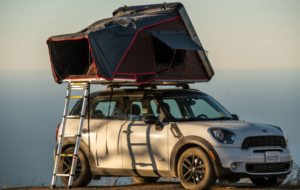
iKamper concentrates almost entirely on hardshell tents, and the Skycamp line’s diamond-shaped floor plan, which widens toward the middle of the tent rather than staying strictly rectangular, delivers noticeably more usable interior space than its footprint suggests. The shape works because the hinge points and shell geometry are engineered to flare outward as the tent opens, rather than simply lifting straight up the way a rectangular hardshell does, which is a more complex mold and hinge design than Thule’s approach and part of why iKamper hardshells often carry a higher price for comparable rated capacity.
The brand’s fit and finish, from integrated LED lighting to consistently well-sealed rainflies, has made it a common reference point other hardshell brands are measured against, and buyers frequently cite the small included details, like interior storage pockets and pre-installed lighting, as much as the shell design itself when explaining the brand’s reputation. That focus and polish come at a price, and iKamper hardshells often land at or above Thule’s hardshell pricing for comparable capacity.
The diamond floor plan also changes how the tent interacts with a roof rack’s mounting points, since the flared shape needs a base wide enough to support the shell without the widened top overhanging the rack excessively. Most iKamper models account for this in the base plate design, but it is a detail worth checking against your specific rack’s crossbar spacing, something that matters less with Thule’s more conventional rectangular hardshells, which track the base footprint more directly.
Where each one wins
Weight
Roughly comparable at similar capacities, with both brands’ hardshells landing in a similar range and Thule’s softshells running lighter than either brand’s hardshell options, which matters for buyers watching their roof rack’s dynamic weight rating closely.
Weather
Roughly even between the two brands’ hardshell models, since both use rigid composite shells that hold their shape well in wind and rain, with neither brand showing a clear structural advantage in typical storm conditions.
Budget
Thule has a slight edge if you choose a softshell model, which typically costs less than either brand’s hardshell offerings, giving budget-conscious buyers a way to access the brand’s quality without paying hardshell prices.
Interior space
iKamper wins for its diamond-shaped Skycamp floor plan, which delivers more usable width than a comparably sized rectangular hardshell from Thule, a real advantage for two adults who want more shoulder room than a strictly rectangular footprint allows.
Included features
iKamper generally wins here as well, since details like integrated LED lighting and more consistently finished rainflies come standard across the Skycamp range, while Thule’s included extras vary more by specific model within its lineup.
Which should you buy
If you want the flexibility to choose between softshell and hardshell within one brand, or want a lower entry price into premium build quality, Thule offers more range and lets you decide later whether a hardshell upgrade is worth it. If you want the benchmark hardshell experience with maximum usable interior space and do not mind paying the highest price in the category, iKamper is the stronger pick, particularly for two adults who want the extra shoulder room the diamond floor plan provides. Buyers who have not yet settled on hardshell versus softshell are often better served starting with Thule’s broader range, while anyone who has already decided a hardshell is non-negotiable and wants the most interior volume for the footprint should put iKamper at the top of the list. For the full range of options from both brands, see our rooftop tents buying guide.
Frequently Asked Questions
Is iKamper more expensive than Thule?
Generally yes for comparable hardshell capacity, though Thule’s softshell models can bring the brand’s overall price range below iKamper’s hardshell-only lineup. If your budget is fixed and you specifically want a hardshell, iKamper will typically cost more than Thule’s equivalent hardshell model.
Does Thule make a tent that competes directly with the iKamper Skycamp?
The Thule Tepui Explorer and Low-Pro are the closest hardshell comparisons, though neither uses the same diamond-shaped floor plan that defines the Skycamp line. Buyers specifically drawn to that flared, wider-in-the-middle shape will not find an exact equivalent within Thule’s current hardshell lineup.
Which brand has better interior space?
iKamper’s diamond-shaped Skycamp floor plan generally delivers more usable width than a similarly sized Thule hardshell, since the walls widen out beyond the base footprint rather than staying strictly rectangular. This becomes most noticeable in the middle of the tent, where two adults sleeping side by side benefit most from the extra shoulder room.
Is Thule the more budget-friendly option overall?
Only if you choose a softshell Thule model, since Thule’s own hardshell pricing sits close to iKamper’s, and both brands are considered premium within the category. A buyer comparing hardshell to hardshell should expect the two brands to land in a similar price range rather than one being a clearly cheaper alternative to the other.
Buy Thule if you want the flexibility of both softshell and hardshell options at a somewhat lower entry price, and iKamper if you want the benchmark hardshell with the roomiest diamond floor plan.