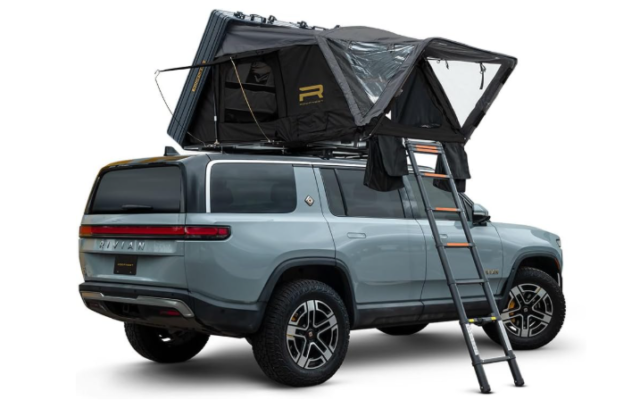
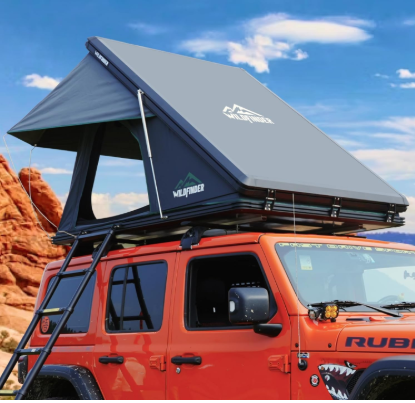
The best rooftop tents balance four things that pull against each other: shell type, vehicle compatibility, setup effort and price, and no single tent maximizes all four at once. Working out which of those matters most for the way you actually drive and camp is a far better starting point than comparing weight specs on a product page.
This guide covers how to think through that trade off, then routes you to a specific roundup for your situation, whether that is a first tent on a tight budget, a Jeep Wrangler that needs the right fit, a family wanting extra room, or a cold-weather trip that demands real insulation.
The short answer
For most buyers, start by confirming your roof rack’s dynamic and static weight ratings before shopping by shell type. Choose a hardshell if you camp often and want the fastest setup and best highway manners, or a softshell if interior space and price matter more than speed. A two-person hardshell in the 120 to 150 pound range suits most SUVs and trucks; size up to a three-person model only if your rack and vehicle roof rating support it. Prioritize a full-coverage rainfly and a mattress that suits your climate, then pick on your specific priority: budget, brand, or vehicle fit.
The four things that actually decide a rooftop tent purchase
Every rooftop tent decision comes down to balancing these against how and where you actually drive, since improving one usually costs you in another.
Hardshell vs softshell
A hardshell pops open in under a minute with a rigid, low-profile shell that handles highway driving better, while a softshell folds out using a ladder as the support structure, taking longer to pitch but typically delivering more interior space and capacity for less money. Neither is universally better, and the right choice depends on how often you set up camp versus how much you drive with the tent mounted.
Vehicle compatibility and roof rack capacity
Every rooftop tent needs a roof rack rated for both its dynamic weight while driving and its static weight while occupied overnight, and many factory racks fall well short of what even a lightweight tent requires. Checking your vehicle’s own roof load rating matters just as much as the rack’s rating, since a strong rack does not help if the roof underneath is not built to handle the load.
Setup effort
A hardshell tent can be open and ready in under a minute with a single spring-assisted motion, while a softshell typically takes three to seven minutes of ladder extension and fabric unfolding. This difference matters enormously if you stop and camp at a new site every night, and barely at all if you mount the tent once for a week-long trip and leave it up.
Price
A more expensive rooftop tent generally buys some combination of a lower closed profile, more refined materials and included details, but rarely all of them at once. A well-chosen budget softshell still delivers real elevated-sleeping comfort for occasional trips, and for a first rooftop tent it is often the sensible way to learn what you actually need before spending more.
Find the right tent for your situation
Rather than one universal recommendation, here is where to look based on what matters most for your vehicle and your trips.
Shopping on a tight budget: our best budget rooftop tents under $1500 roundup covers reliable entry points, and our best rooftop tents for a small car guide covers compact options that also tend to cost less.
Driving a Jeep Wrangler or a Tacoma: see our best rooftop tents for a Jeep Wrangler and best rooftop tents for a Tacoma roundups, both built around the roof and bed rack realities of those specific vehicles.
Driving a Subaru Outback, or using a pickup bed rack: our best rooftop tents for a Subaru Outback and best rooftop tents for a pickup bed rack roundups cover the weight and mounting considerations for each setup.
Camping as a family, or wanting extra covered space: see our best rooftop tents for 2 adults and a child roundup, and our best rooftop tents with an annex guide covers ground-level space for gear or a changing area.
Facing cold weather or camping through winter: our best rooftop tents for cold weather and best 4 season rooftop tents roundups both deal with insulation and shoulder-season comfort.
Deciding on shell type, or shopping hardshell specifically: see our best softshell rooftop tents for an SUV roundup, and our best hardshell rooftop tents under $3000 guide covers the faster-setup option.
Needing a better ladder: our best rooftop tent ladders roundup covers upgrade and replacement options for a component that gets more daily use than any other part of the tent.
Shopping by brand, starting with Front Runner, Naturehike, or Roofnest: see our best Front Runner rooftop tents, best Naturehike rooftop tents and best Roofnest rooftop tents roundups.
Shopping by brand, continuing with Smittybilt, Thule, or iKamper: our best Smittybilt rooftop tents, best Thule rooftop tents and best iKamper rooftop tents roundups cover the more premium end of the category.
Weighing shell type or rooftop camping against other shelter options: see our hardshell vs softshell rooftop tent guide, and our rooftop tent vs ground tent and rooftop tent vs truck bed tent comparisons cover whether a rooftop tent is the right category at all.
Comparing two specific premium brands directly: our Thule vs Smittybilt rooftop tents and Thule vs iKamper rooftop tents guides walk through the trade-offs head to head.
Checking whether your car or roof rack can even handle a tent: see our guides on whether you can put a rooftop tent on any car, whether a rooftop tent affects gas mileage and how much weight your roof rack can hold.
Reading full reviews before you commit: our in-depth Front Runner Feather-Lite review, Roofnest Falcon 2 review and Smittybilt Overlander XL review cover three of the most popular individual models in detail.
More reviews to check before buying: see our Thule Tepui Foothill review and iKamper Skycamp 3.0 review for a closer look at two of the category’s benchmark tents.
Understanding rooftop tent specs
Dynamic weight rating. The maximum load your roof rack can safely carry while driving, accounting for bouncing, braking, and cornering forces. This is almost always lower than the static rating and is the number that determines whether a tent fits your rack for daily driving.
Static weight rating. The maximum load your rack can support while parked, covering the tent plus everyone sleeping inside. Quality rooftop-tent-rated racks typically rate 700 pounds or higher here.
Shell height. How tall the tent sits when closed. A low-profile hardshell reduces wind drag and fuel economy impact, while a taller softshell or family-sized model catches more wind at highway speed.
Capacity rating. Similar to ground tents, this number reflects sleeping space more than genuine comfort. A two-person rating leaves little room for gear, so many buyers size up if they regularly bring extra bedding or a dog.
Annex. A ground-level canvas room that attaches beneath the ladder, adding covered space for gear storage or changing clothes. Useful for extended basecamp stays, less so if you move camp nightly.
Add-a-leg kit. Support legs that route some of the tent’s weight to the vehicle’s frame or bumper rather than through the roof alone, often necessary for trucks with a bed rack or vehicles with a lower roof load rating.
Common mistakes when buying a rooftop tent
- Checking only the rack’s static rating. The dynamic rating governs safe driving weight, and skipping it is the most common and most dangerous mistake buyers make.
- Assuming factory crossbars are strong enough. Most factory racks are rated well below what a rooftop tent requires, making an aftermarket rack upgrade necessary for most vehicles.
- Ignoring the fuel economy impact. A rooftop tent left mounted affects every drive, not just camping trips, and shell shape changes how large that impact is.
- Buying capacity you do not need. A three-person tent adds real weight and price over a two-person model, worth it only if you regularly camp with a child, a dog, or a lot of gear.
Frequently asked questions
Is a hardshell or softshell rooftop tent better for a first purchase?
A softshell is often the more forgiving first purchase thanks to its lower price and roomier interior, while a hardshell suits buyers who know they will camp often and want the fastest possible setup from day one.
Do I need a special roof rack for a rooftop tent?
In most cases yes, since factory crossbars rarely meet the dynamic weight rating a rooftop tent requires, making an aftermarket, rooftop-tent-rated rack a near-universal first step.
How much does a rooftop tent affect gas mileage?
Expect a reduction in the range of 10 to 25 percent while the tent stays mounted, driven mostly by wind drag rather than added weight, with low-profile hardshells generally causing less impact than tall softshells.
Which brand should I start with if I am not sure what I need?
Thule and iKamper sit at the premium, benchmark end of the category, Roofnest and Smittybilt offer strong value at a lower price, and Naturehike and Front Runner round out the budget and overlanding-specific ends of the market.
Wrapping up
Most rooftop tent regret traces back to one of two decisions: skipping the roof rack weight check, or buying a shell type that does not match how often you actually camp. Get those two right and the rest is preference. Start with our guide to how much weight your roof rack can hold, then follow the situation link above that matches how you actually drive and camp.