Learning how to sleep better in a tent is mostly a matter of fixing the ground underneath you, not the bag on top of you. Almost every bad night outdoors gets blamed on the sleeping bag, and almost every bad night is actually caused by something else. Cold coming up from the ground, a pad that slides, a tent pitched on a slope nobody noticed at dusk, or a body that went to bed already cold and never recovered.
The good news is that none of these need expensive gear to solve. Four or five adjustments, most of them free, will take somebody from lying awake at three in the morning to sleeping through. Here is what actually moves the needle, roughly in the order it is worth fixing.
The short answer
Sleep warmer by insulating below you first. Use a pad with an R value suited to the season, eat something before bed, put on dry clothing you have not worn all day, and empty your bladder before getting in. Pitch on flat ground with your head slightly uphill, vent the tent to cut condensation, and block light and noise. Fix the ground, the warmth and the flatness, and most tent sleep problems disappear without spending anything.
Insulate underneath before anything else
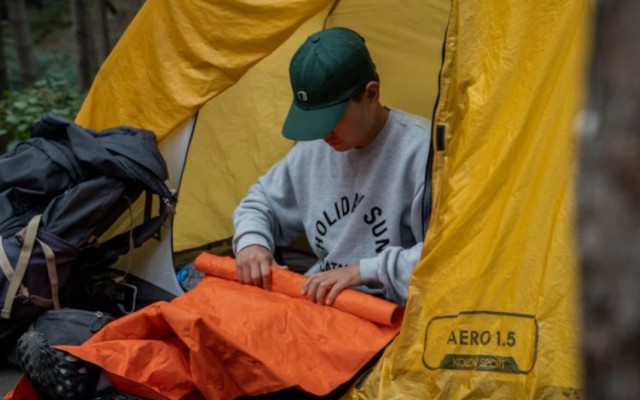
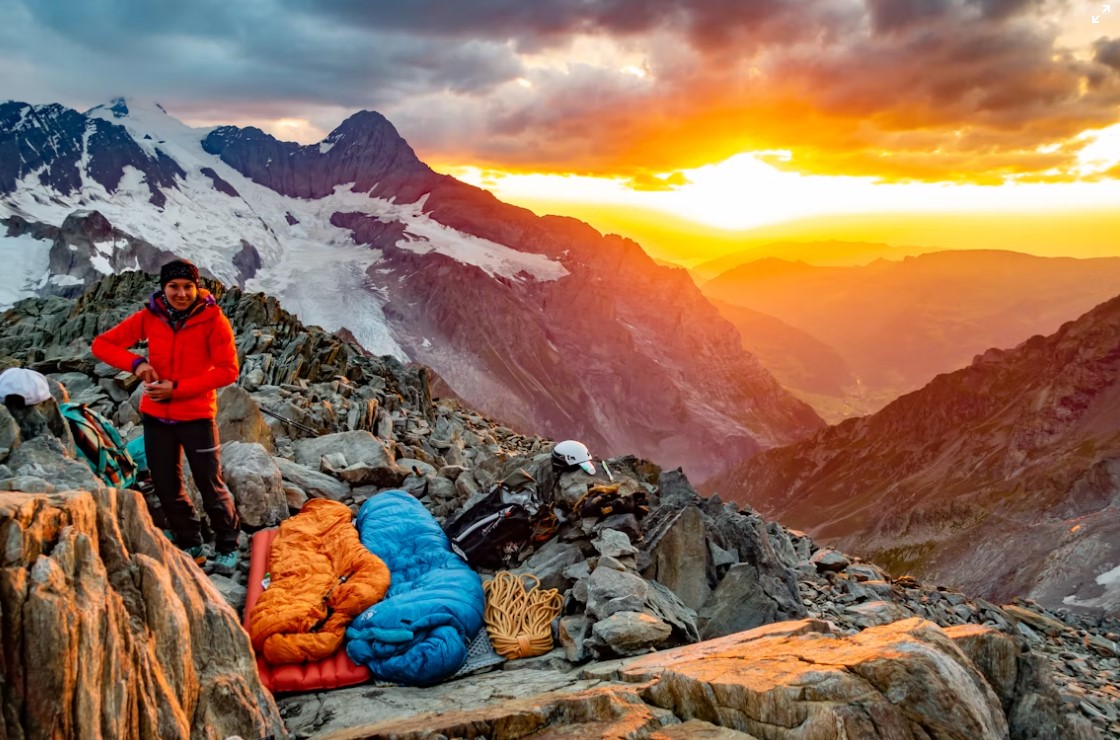
Your sleeping bag works by trapping air in its loft. Lie on it and you crush the loft flat, which means the insulation under your body does close to nothing. Whatever is beneath the bag is doing that job instead, and if that is a thin foam mat then the ground is quietly pulling heat out of you all night.
Sleeping pads are rated by R value, which measures resistance to heat flow. Higher is warmer. As rough guidance, around 2 covers summer, 3 to 4 handles spring and autumn, and 5 and above is what you want on frozen ground. The number is additive, which is the useful part: stacking a cheap closed cell foam mat under an inflatable pad combines both R values and is the cheapest warmth upgrade available.
If you are a side sleeper, thickness matters as much as the rating, because your hip and shoulder compress the pad far more than your back would. Our roundup of the best sleeping pads for side sleepers goes through the ones that stay supportive under pressure.
Go to bed warm, not cold
A sleeping bag does not produce heat. It only slows down the heat you are already making. Climb in cold and you may never catch up, because your body is trying to warm a large volume of air with nothing to spare.
- Eat something before bed. Digestion generates heat for hours. A handful of nuts or a hot drink half an hour before sleeping does more than most people expect.
- Move first, then get in. Ten squats or a brisk walk round the site raises your core temperature. Stop short of sweating, because damp clothing works against you.
- Change into dry sleeping clothes. Whatever you wore all day holds moisture even if it feels dry. Keep one base layer that never leaves the tent.
- Use a hot water bottle. A sturdy bottle filled with hot water, placed between your thighs rather than at your feet, warms the blood passing through the femoral arteries and heats your whole body faster.
- Empty your bladder. Your body spends energy keeping that fluid warm, and the urge to go will wake you anyway.
Pitch for sleep, not for the view
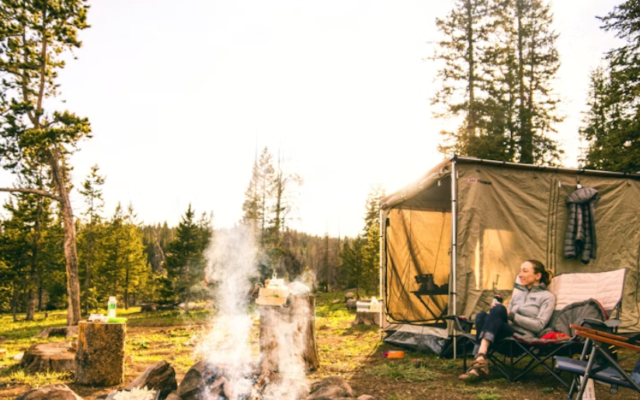
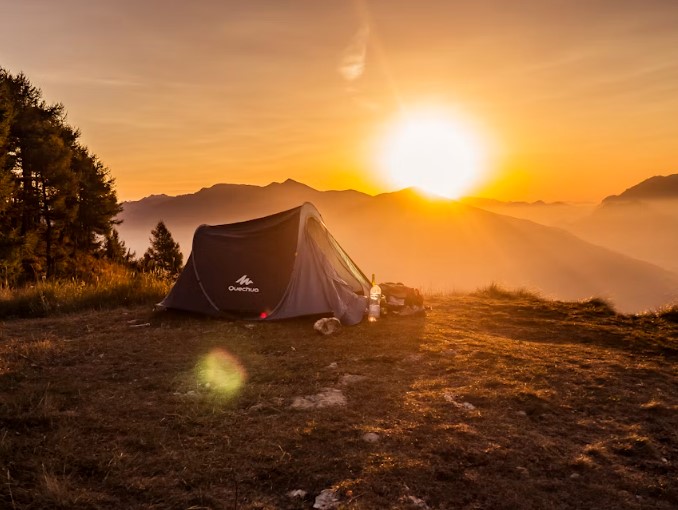
A site chosen at five in the afternoon for its outlook can be a poor bed at midnight. Before the tent goes up, lie down where you plan to sleep. Thirty seconds on the ground tells you more than five minutes of looking at it.
- Flat beats scenic. Even a slight slope means sliding downhill all night, and waking bunched at one end of the tent.
- Head slightly uphill if perfectly flat ground is not available. Sleeping head down is far worse than sleeping head up.
- Clear the ground properly. Stones and roots you can barely feel through your boots become impossible to ignore through a pad.
- Avoid hollows. Cold air sinks and collects in dips, and water does the same if it rains overnight.
- Check what is overhead before committing, since dead branches are a genuine hazard in wind.
Site selection has more to it than the sleeping surface, and our guide to how to choose a campsite covers the rest of it.
Deal with condensation before it rains on you
A sleeping adult puts out a surprising amount of moisture overnight through breathing and skin. In a sealed tent that moisture hits the cold inner surface and condenses, and by morning it is dripping onto your bag. People often assume the tent is leaking when it is not.
The fix is counterintuitive. Open the vents, even when it is cold. A tent with airflow is warmer to sleep in than a sealed one, because a damp bag insulates badly. Keep wet clothing out of the inner tent entirely, store it in the vestibule, and leave a gap between the inner wall and your sleeping bag so nothing wicks moisture across. If you wake to a damp bag, our guide to how to keep a tent dry in heavy rain goes further into pitching and venting.
Block out light and sound
Tents do almost nothing for either. Sunrise arrives through the fabric an hour before you want it, and a campground at seven in the morning is not a quiet place.
Earplugs and an eye mask together weigh very little and probably buy more sleep than any single piece of gear you could buy instead. Orient the tent door away from where the sun will come up, which is worth thinking about before pitching rather than after. If you are a light sleeper, pitch away from the toilet block and the main path, because footsteps run past both all night.
Common mistakes
Wearing every layer you own into the bag. Too much clothing compresses the bag’s loft from the inside and restricts circulation to your hands and feet. One dry base layer and socks is usually warmer than three jumpers.
Burying your face inside the bag. It feels warmer and it dumps all the moisture from your breath into the insulation. Cinch the hood so only your face is exposed and breathe out into the air.
Storing the bag compressed. Months in a stuff sack permanently damages the loft, so a bag that worked last year may not this year. Store it loose in a large cotton sack or hanging up.
Blaming the bag. When a night goes badly the bag gets replaced first, which is the expensive option and often the wrong one. Check the pad, the site and your pre bed routine before spending anything.
Frequently asked questions
Why am I cold in my sleeping bag even though it is rated for the temperature?
Usually because the pad underneath is not insulating enough, since body weight crushes the bag’s loft flat. Ratings also often describe the point of survival rather than comfort, and they assume a dry bag, a sleeping pad and a person who went to bed warm and fed.
Should I sleep with clothes on in a tent?
Yes, but only a dry base layer and clean socks. Wear too much and you compress the insulation and cut circulation, which makes you colder. Keep one set of sleeping clothes that you never wear during the day, so they stay genuinely dry.
What R value do I need for my sleeping pad?
Around 2 for summer, 3 to 4 for spring and autumn, and 5 or more for frozen ground. R values add together, so putting a foam mat under an inflatable pad gives you the combined figure. That stacking trick is the cheapest way to extend a summer pad into colder months.
How do I stop my sleeping pad from sliding around?
Most slipping comes from a slick tent floor. Sew or stick a few dots of silicone sealant on the underside of the pad and let them cure fully, or lay a thin foam mat underneath for grip. A fitted sheet over both the pad and bag also stops them separating.
Wrapping up
Knowing how to sleep better in a tent comes down to a short list. Insulate underneath first, get into the bag already warm, pitch somewhere genuinely flat, vent the tent, and block the light and noise that arrive whether you planned for them or not. Most of that costs nothing, which is why it is worth working through before buying anything.
If one thing gets upgraded, make it the pad. It is the least exciting item in the tent and the one that decides how the night goes.
For the wider picture, start with our guide to camping for beginners. When you are ready to buy, our roundup of the best sleeping pads for camping works through the R values and thicknesses in detail.