
The best sleeping bag for bikepacking has to satisfy a packing constraint that backpacking never quite creates, since bikepacking bags are typically strapped to a seatpost or handlebar mount in a cylindrical dry bag rather than tucked inside a backpack’s internal volume. Packed size, not just weight, becomes the deciding factor as much as raw warmth.
The five bags below all compress down small enough to fit realistically in a bikepacking specific bag or a compact seat pack, without giving up meaningful warmth for the weight. For a broader look at the sleeping bag category, our sleeping bags guide covers the full range of options.
Comparison
| Name | Key features |
|---|---|
| REI Co-op Magma 15 | 850 fill power down, exceptionally small packed size |
| Western Mountaineering UltraLite | 850+ fill power down, premium compressibility |
| Feathered Friends Hummingbird UL | 900 fill power down, minimal weight and size |
| Big Agnes Sidewinder SL 40 | Quilt style bottom, lightweight for warm trips |
| Marmot Trestles 40 | Budget friendly, reasonably compressible synthetic |
Each bag here handles the compact packing demands of bikepacking a little differently, from exceptional fill power to a quilt style build, so read through the details below before picking the one for your setup.
1) REI Co-op Magma 15 (Best overall)
The REI Co-op Magma 15 compresses to one of the smallest packed sizes available at its temperature rating, thanks to 850 fill power down, which makes it a natural fit for a seat pack or handlebar roll where every cubic inch matters. It delivers genuine three season warmth without the bulk that would make it awkward to strap to a bike frame.
The ultralight shell fabric rewards careful handling, which matters more on a bikepacking trip where gear gets strapped and unstrapped repeatedly and occasionally brushes against a chain or a rough trailside branch.
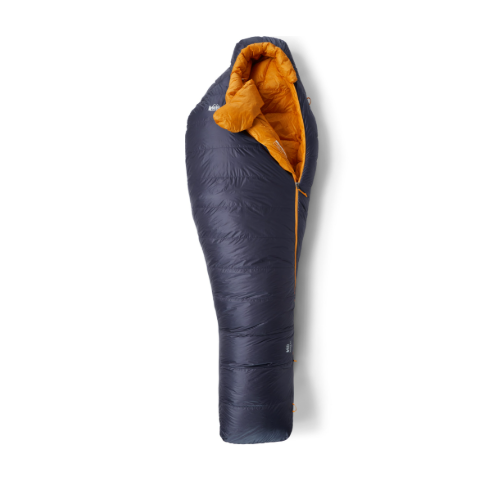
REI Co-op Magma 15
- Temperature rating15°F
- Fill type850 fill power down
- Weight1 lb 15 oz
- Packed size7.5 x 8 in
Key features
- 850 fill power down
- Exceptionally small packed size
- Ultralight shell fabric
Pros
- Among the smallest packed sizes at its rating
- Excellent warmth to weight ratio
- More accessible price than top tier competitors
Cons
- Ultralight fabric needs careful handling
- Trim cut offers less room to move
What we liked
- Excellent packed size
- strong warmth to weight
- accessible price
What we did not
- Delicate fabric
- trim cut
For most bikepackers, this is the first bag worth checking for its balance of size and price.
2) Western Mountaineering UltraLite (Best premium option)
The Western Mountaineering UltraLite compresses to a remarkably small size thanks to 850+ fill power down and decades of construction refinement, making it a favorite among bikepackers who have already invested heavily in a lightweight setup and want their sleep system to match.
The premium price puts it out of reach for casual bikepackers, but for anyone doing serious multi day routes where every bit of saved bag volume translates directly to more water or food capacity, it is a compelling upgrade.
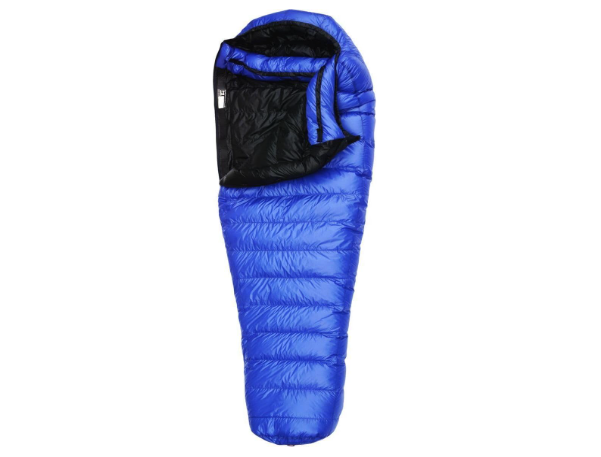
Western Mountaineering UltraLite
- Temperature rating20°F
- Fill type850+ fill power down
- Weight1 lb 13 oz
- Packed size7 x 13 in
Key features
- 850+ fill power goose down
- Trim, efficient mummy cut
- Construction reputation built over decades
Pros
- Outstanding packed size for its warmth
- Exceptional long term durability
- Frees up more room for water and food
Cons
- Premium price puts it out of reach for casual riders
- Trim cut offers little room to move
What we liked
- Outstanding packed size
- exceptional durability
- frees up cargo space
What we did not
- Premium price
- trim cut
Serious bikepackers ready to invest in the smallest possible packed size should look here.
3) Feathered Friends Hummingbird UL (Best for minimal weight)
The Feathered Friends Hummingbird UL strips down to a minimal, weight optimized build using 900 fill power down, resulting in one of the lightest and smallest bags a bikepacker can realistically carry. For riders covering serious daily mileage where climbing matters, that saved weight is meaningful.
It carries a genuinely premium price and offers very little cold weather margin, making it best suited to warm weather bikepacking routes rather than anything approaching shoulder season conditions.
Feathered Friends Huhttps://outdoortreklife.com/wp-content/uploads/2026/10/Feathered-Friends-Hummingbird-UL.pngmmingbird UL
- Temperature rating40°F
- Fill type900 fill power down
- Weight1 lb 2 oz
- Packed size6 x 10 in
Key features
- 900 fill power down
- Minimal, weight optimized construction
- Very small packed size
Pros
- Among the lightest bags available for any activity
- Very small packed size
- Exceptional fill power for the weight
Cons
- Premium price for a warm weather only bag
- Very little cold weather margin
What we liked
- Among the lightest bags available
- very small packed size
- exceptional fill power
What we did not
- Premium price
- little cold weather margin
Riders tackling serious climbing on warm weather routes should consider this one.
4) Big Agnes Sidewinder SL 40 (Best for pad integration)
The Big Agnes Sidewinder SL 40 uses a quilt style bottom with an integrated pad sleeve, cutting out unnecessary insulation underneath where a sleeping pad already provides warmth. That design saves both weight and packed volume compared to a fully enclosed bag with a similar rating.
The quilt style bottom means less coverage if you shift off your pad, a trade off worth weighing given how many bikepacking setups pair with a compact, sometimes narrower sleeping pad than a backpacking trip would use.
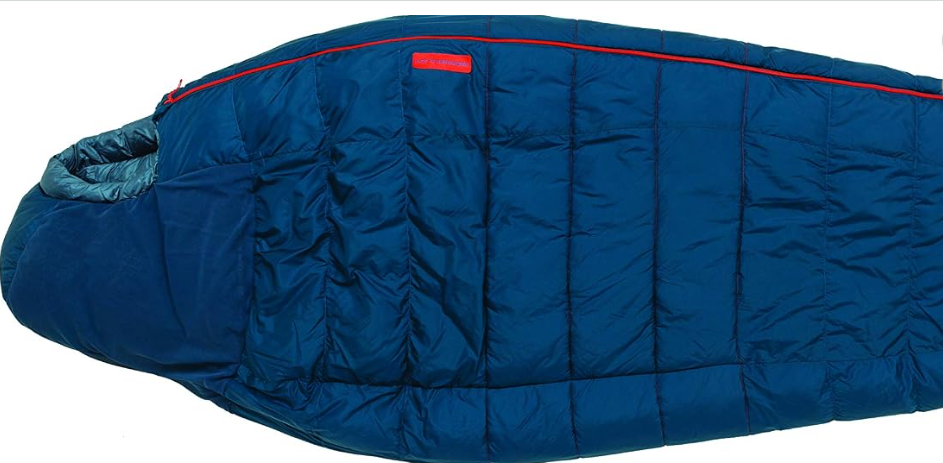
Big Agnes Sidewinder SL 40
- Temperature rating40°F
- Fill typeSynthetic
- Weight1 lb 12 oz
- Packed size6 x 13 in
Key features
- Quilt style insulated top only
- Integrated sleeping pad sleeve
- Lightweight synthetic build
Pros
- Real weight and volume savings
- Pad sleeve keeps you centered
- Good airflow on warm nights
Cons
- Less coverage if you shift off your pad
- Not a traditional fully enclosed bag
What we liked
- Real weight and volume savings
- pad sleeve keeps you centered
- good airflow
What we did not
- Less coverage off the pad
- non traditional design
Bikepackers comfortable with a quilt style design should consider this option next.
5) Marmot Trestles 40 (Best for budget)
The Marmot Trestles 40 keeps the price accessible for bikepackers who are not ready to invest heavily in down insulation, using a genuinely light synthetic build that still compresses reasonably well for a synthetic bag. It is a sensible entry point into dedicated lightweight bikepacking gear.
It does not compress as small as any of the down options above, so riders with genuinely tight cargo capacity may find it a tighter squeeze in a compact seat pack, but the price makes it an easy starting point.
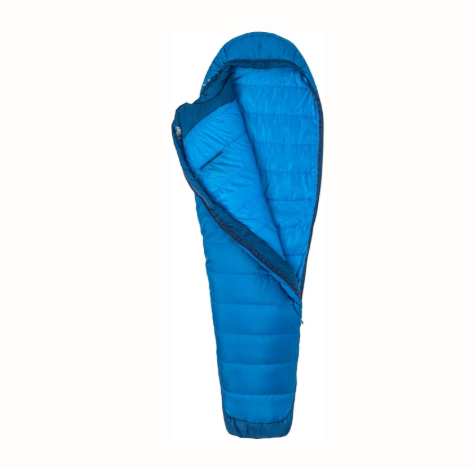
Marmot Trestles 40
- Temperature rating40°F
- Fill typeSynthetic
- Weight1 lb 14 oz
- Packed size6 x 12 in
Key features
- Full length, fully opening zipper
- Lightweight synthetic build
- Trim mummy cut
Pros
- Most affordable option on this list
- Reasonably light for a synthetic bag
- Good airflow when fully unzipped
Cons
- Larger packed size than any down option here
- Little margin for a surprise cold night
What we liked
- Most affordable
- reasonably light
- good airflow
What we did not
- Larger packed size than down
- little cold weather margin
Bikepackers testing out the sport before investing in down should start here.
Frequently asked questions
Why does packed size matter more for bikepacking than backpacking?
Bikepacking gear is typically strapped to a seatpost or handlebar mount in a fixed volume dry bag rather than tucked inside a backpack’s flexible internal space, so a bag’s compressed size directly limits what else fits in that same cargo space.
Is down or synthetic better for bikepacking?
Down generally wins for bikepacking specifically because its superior compressibility matters more given the fixed cargo volume, though synthetic remains the better choice for genuinely wet routes where down’s moisture vulnerability becomes a real risk.
How should I pack a sleeping bag for a handlebar or seatpost mount?
A dedicated waterproof stuff sack sized specifically for the mount you are using helps maximize the available space, and compressing the bag as tightly as the manufacturer recommends avoids damaging the insulation over repeated trips.
Do quilt style bags work well for bikepacking?
Yes, quilt style designs like the Big Agnes Sidewinder SL 40 save both weight and packed volume by relying on a sleeping pad for insulation underneath, which suits the tight cargo constraints of a bikepacking setup well.
Conclusion
For most bikepackers, the REI Co-op Magma 15 offers the best overall balance of exceptionally small packed size, real warmth, and a reasonable price. Riders who have already invested in a premium lightweight setup should consider the Western Mountaineering UltraLite for an even smaller packed size and proven durability.
Budget conscious bikepackers testing the sport should start with the Marmot Trestles 40 before committing to a more expensive down bag. For more on choosing the right rating for your typical routes, see our temperature rating guide, and browse the wider category in our sleeping bags guide.
Buy the REI Co-op Magma 15 for the best overall packed size and value, or the Western Mountaineering UltraLite if you want the smallest possible size and proven durability.