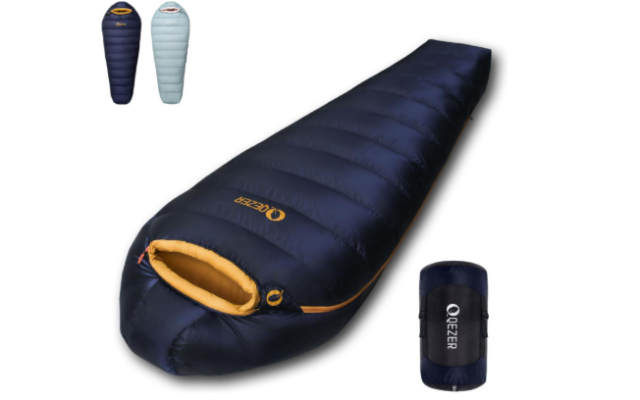
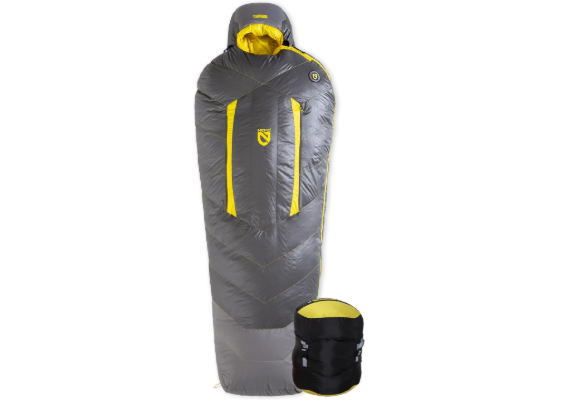
What is fill power and does it matter is one of the most common questions down sleeping bag shoppers ask, and the short answer is that fill power measures down quality and it matters quite a bit if you care about pack weight. Fill power is a measurement of how much space, in cubic inches, one ounce of down occupies when fully lofted, with higher numbers indicating higher quality down that traps more warm air for the same weight.
The short answer
Fill power measures the loft, and therefore the insulating efficiency, of down. Higher fill power means a warmer bag for less weight, but it also costs more, so it matters most if pack weight is a real priority for you.
How fill power is actually measured
To measure fill power, a lab compresses a standardized one ounce sample of down under a specific weight inside a graduated cylinder and then records how many cubic inches it expands to fill once the weight is released and the down is given time to fully loft. A sample that fills 800 cubic inches is rated 800 fill power, and one that fills 900 cubic inches is rated 900 fill power. Commercial down products span roughly from around 550 fill power on the low end, still perfectly usable for budget bags, up to around 900 fill power at the premium end used in the lightest specialty backpacking gear, with most mid range bags landing somewhere between 600 and 800.
Higher numbers come from larger, more mature down clusters, typically harvested from older geese, which produce plumage with more individual filaments radiating from each cluster’s central quill point. Because down quality varies by bird species, age and even the specific down producing region, sourcing consistently high fill power down at scale costs meaningfully more per ounce than sourcing average quality down, which is the direct reason higher fill power bags carry a noticeably higher price tag.
Why higher fill power means less weight for the same warmth
Since higher fill power down lofts more per ounce, a bag can use less of it by weight to achieve the same overall loft and warmth as a bag using lower fill power down. This is why two bags with the same temperature rating can weigh noticeably different amounts depending on the fill power used, and it is the main reason ultralight backpackers are willing to pay a premium for 850 or 900 fill power bags over more affordable 600 fill power options.
A worked example comparing two fill powers
Consider two bags built to hit the same 20 degree comfort target. A bag using 600 fill power down might need roughly 20 ounces of fill to produce enough loft for that rating, while a bag using 850 fill power down could reach the same loft, and therefore the same warmth, using closer to 14 ounces of fill, since each ounce of the higher fill power down expands to a larger volume. That roughly six ounce difference in fill weight alone, before even accounting for the lighter shell fabric premium bags often pair with high fill power down, is a meaningful difference on a backpacker’s shoulders over many miles, even though both bags keep the sleeper equally warm on a cold night. This is the concrete mechanism behind why fill power numbers matter so much to anyone shopping by weight rather than price alone.
Where fill power stops mattering as much
For car campers and casual weekend backpackers who are not counting every ounce, the weight difference between 600 and 850 fill power down matters far less in practice than it does to a thru hiker, since the extra ounces from lower fill power down never leave the trunk of a car or get carried more than a short distance from a campsite. In these cases, a lower fill power bag at a lower price delivers essentially the same sleeping warmth, just in a slightly heavier and bulkier package, which is a perfectly reasonable tradeoff for anyone whose camping style does not involve carrying the bag for miles at a time.
Fill power is not the same as fill weight
A common point of confusion is mixing up fill power with fill weight, which is simply the total quantity of down inside the bag measured in ounces, independent of how efficiently that down lofts. A bag with high fill power but a small fill weight can actually be less warm overall than a bag with lower fill power but a much larger fill weight, since warmth ultimately depends on total loft, which is a function of both fill power and fill weight together, not fill power alone. Always check the overall temperature rating, ideally one tested to the ISO 23537 standard using a standardized heated manikin, rather than fill power alone when comparing warmth between two bags, since fill power tells you about efficiency per ounce, not the bag’s total warmth.
Common mistakes
- Assuming higher fill power always means a warmer bag. Fill power measures quality per ounce, not total warmth. A bag’s actual temperature rating depends on both fill power and total fill weight combined, so a high fill power bag with too little total down can still underperform a lower fill power bag stuffed with more material.
- Overpaying for high fill power you do not need. If you car camp or rarely backpack long distances, the weight savings from premium fill power rarely justify the added cost, since the extra ounces saved are never actually felt if the bag mostly travels by car.
- Comparing fill power across brands as if it is standardized identically. Testing methods and equipment can vary slightly between labs and manufacturers, so treat fill power as a useful guide rather than an exact, universally comparable number, and lean on the bag’s actual tested temperature rating for the most reliable comparison.
Frequently Asked Questions
Is 900 fill power much better than 600 fill power?
It is meaningfully more efficient by weight, letting manufacturers use less down for the same warmth, but a well designed 600 fill power bag with more total fill weight can still be just as warm, simply heavier and bulkier, so the real world difference depends on how the whole bag is built, not fill power in isolation.
Does higher fill power mean the bag is more durable?
Not directly, though higher fill power down does tend to come from higher quality sourcing overall, which can correlate with better shell fabrics and construction in premium bags, even though fill power itself is strictly a measure of loft efficiency rather than durability.
What fill power should I look for as a beginner?
Something in the 600 to 700 range offers a good balance of weight and price for most beginners, while ultralight backpackers chasing the lowest possible pack weight should look toward 800 fill power and above, accepting the higher price that comes with it.
Does synthetic fill have a fill power rating?
No, fill power is a measurement specific to down clusters and their unique three dimensional structure. Synthetic insulation is typically rated by denier, a measure of fiber thickness, or simply by the manufacturer’s stated temperature rating instead, since manufactured fibers do not loft in the same measurable way natural down does.
Wrapping up
Fill power is a useful shorthand for down quality and matters most if shaving pack weight is a genuine priority for your trips, though it should always be weighed alongside total fill weight and the bag’s actual tested temperature rating rather than treated as a standalone number. For a broader look at how down and synthetic fill compare overall, see our down vs synthetic sleeping bag comparison, and our best down sleeping bags for backpacking roundup covers specific high fill power options worth considering.