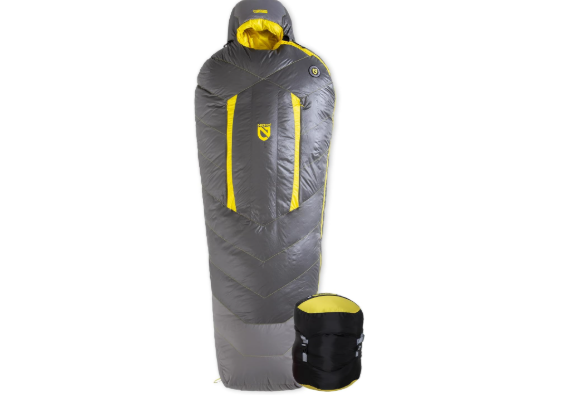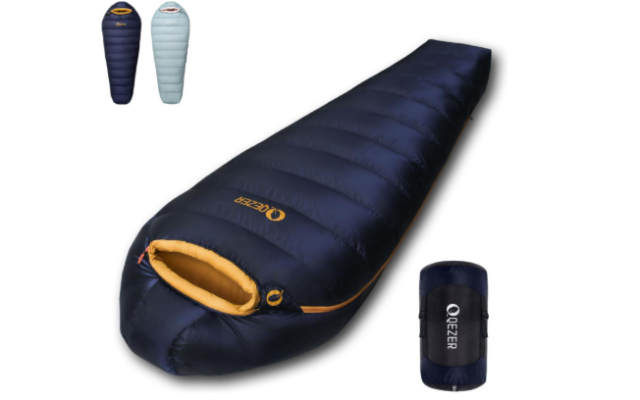

What temperature rating sleeping bag do I need depends primarily on the coldest night you realistically expect to camp through, with a margin built in since most people sleep colder than the official rating suggests. As a general rule, pick a bag rated at least 10 to 15 degrees below the lowest temperature you expect, since comfort ratings and limit ratings mean different things and most campers sleep more comfortably closer to the comfort number.
The short answer
Choose a bag rated 10 to 15 degrees colder than the lowest overnight temperature you expect on your coldest trip. A 20 degree bag suits most three season camping, while a 0 degree bag covers genuine shoulder season and winter use.
Understand the comfort, limit and extreme ratings
Most sleeping bags sold today are tested to the ISO 23537 standard, an international benchmark that replaced the older European EN 13537 standard, using a heated manikin dressed in a standardized base layer and placed inside the bag in a controlled temperature chamber. The manikin’s internal heating and sensor system records how the bag performs as the surrounding temperature drops, producing several distinct figures rather than just one number, which is why a single bag often lists multiple ratings side by side.
The comfort rating estimates the temperature at which a standard adult woman sleeps comfortably in the bag, the lower limit rating estimates the temperature at which a standard adult man sleeps in a curled position without waking from cold, and some bags also list an extreme rating, a survival oriented figure representing the coldest temperature at which the bag prevents dangerous hypothermia for six hours, which is not a comfort figure at all and should never be treated as a target for a normal trip. If a bag only lists one number without specifying which rating it refers to, treat it as closer to the limit rating and buy accordingly, with extra margin built in, since manufacturers sometimes market the more flattering, lower limit figure as the bag’s headline number.
Account for how you personally sleep
Temperature ratings are based on an average sleeper under the standardized test conditions, but cold sleepers, smaller framed people, and anyone with poor circulation typically need a bag rated meaningfully colder than their expected conditions to stay comfortable, since individual metabolism and circulation vary considerably more than a single manikin based test can capture. Conversely, people who run warm can often get away with a bag rated closer to the actual expected low, or even slightly warmer, without feeling cold at night, and some experienced campers deliberately buy a bag rated warmer than the standard guidance suggests once they know their own sleep tendencies well.
What you wear to bed also shifts the practical rating in either direction. Sleeping in base layers, a hat and dry socks can meaningfully extend a bag’s comfortable range on a colder than expected night, while sleeping in the nude or in damp clothing from the day’s activity can make even a well rated bag feel colder than its number suggests.
Think about your sleeping pad too
A sleeping bag’s rating assumes you are using an adequately insulated sleeping pad underneath, since ground contact pulls heat away from your body far faster than air does through a process called conductive heat loss, which is considerably more efficient at stealing warmth than the surrounding air alone. A high R-value pad, the standardized measure of a pad’s resistance to heat flow, meaningfully improves how warm a given bag feels, while a thin or minimally insulated pad can make even a well rated bag feel cold from below, regardless of how warm the bag itself actually is. Pairing a cold rated bag with an underinsulated pad is one of the most common reasons campers report feeling cold despite owning gear that should, on paper, be more than warm enough.
Match the rating to your actual trip calendar
If you mostly camp from late spring through early fall, a 20 to 30 degree bag covers the vast majority of nights you will encounter in most temperate regions. If you regularly camp into shoulder season, when nighttime lows can drop unexpectedly even during a forecast mild stretch, a 0 to 20 degree bag provides a more reliable safety margin. Reserve bags rated below 0 degrees for genuine winter camping or high altitude trips where extreme cold is a realistic possibility rather than a rare edge case, since a bag rated for those conditions carries meaningfully more bulk and weight than most three season trips call for.
Common mistakes
- Buying a bag rated exactly for the coldest temperature expected. This leaves no margin for an unusually cold night or the natural gap between limit and comfort ratings, and the consequence is a genuinely uncomfortable, sleepless night rather than a minor inconvenience.
- Ignoring the sleeping pad’s role in overall warmth. A cold night can feel just as uncomfortable from ground contact through a thin pad as from an underrated bag, and no amount of extra bag insulation fully compensates for heat pulled away through direct ground contact.
- Assuming everyone sleeps at the same temperature. Cold sleepers need a meaningfully warmer rated bag than the stated conditions suggest, while warm sleepers can often size down, and buying based purely on the printed number without factoring in your own tendencies leads to a poorly matched bag either way.
- Confusing comfort rating with limit rating. Shopping by the limit number alone often leads to an uncomfortably cold night rather than a merely safe one, since the limit rating describes the edge of tolerable, not restful, sleep.
Frequently Asked Questions
Is a 20 degree bag warm enough for most camping?
Yes, a 20 degree bag covers the majority of three season camping conditions in most regions, provided you pair it with an adequately insulated sleeping pad underneath and dress reasonably for the temperature you expect.
Should I buy a colder rated bag than I think I need?
Generally yes, building in a 10 to 15 degree margin below your coldest expected night accounts for the gap between comfort and limit ratings and for how much colder some sleepers run than the standardized test average.
Do women need a different temperature rating than men?
Many women run colder than the average sleeper the standard comfort rating is based on, which is why women’s specific bags are often rated warmer at the same stated temperature, with extra insulation mapped to common cold spots like the feet and core.
Can I use a warmer weather bag in colder conditions with a liner?
A liner can add a modest boost of roughly five to fifteen degrees, which works for an occasional colder night, but it is not a substitute for a properly rated bag on trips where cold is the expectation rather than the exception, since a liner adds one thin layer of insulation rather than the substantial additional fill a genuinely colder bag carries.
Wrapping up
Getting the temperature rating right matters more than almost any other sleeping bag spec, since a bag that runs too cold ruins a trip fast and a rating tested to the ISO 23537 standard gives you a genuinely comparable figure across brands. Build in a real margin below your coldest expected night, and check out our best sleeping bags for cold weather camping roundup if your trips regularly push into colder territory, or our sleeping bags buying guide for the full range of ratings and options.