
The best sleeping bags for camping balance four things that pull against each other: temperature rating, fill type, weight and packability, and fit, and no single bag maximizes all four at once. Working out which of those matters most for the way you actually camp is a far better starting point than comparing degree ratings on a spec sheet alone.
This guide covers how to think through that trade off, then routes you to a specific review, roundup or comparison for your situation, whether that is a first bag on a tight budget, a cold weather backpacking trip, a bag for a partner who sleeps cold, or a decision between two premium brands.
The short answer
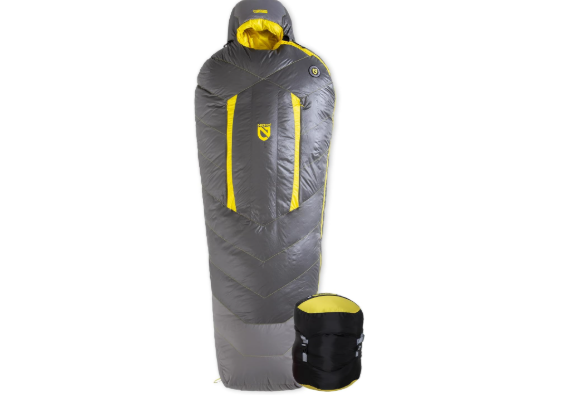
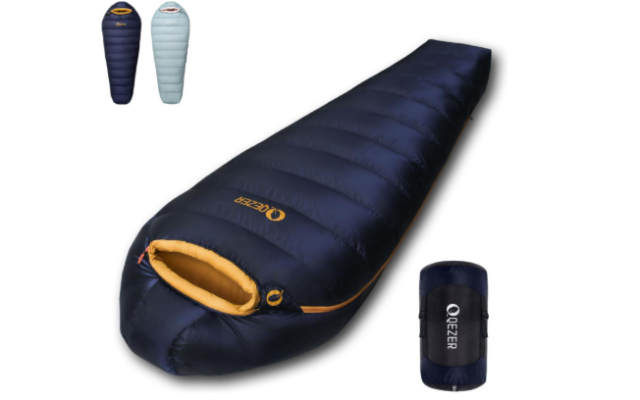
For most campers, pick a bag rated 10 to 15 degrees colder than the coldest night you realistically expect, and choose down if pack weight matters most or synthetic if you camp somewhere consistently wet. A 20 degree bag covers most three season camping, while dedicated cold weather trips call for a 0 degree or colder rating. Prioritize a mummy cut for backpacking efficiency or a rectangular cut for car camping comfort, then narrow down by brand and budget from there.
The four things that actually decide a sleeping bag purchase
Every sleeping bag decision comes down to balancing these against how you actually camp, since improving one usually costs you in another.
Temperature rating
The single most important spec, since a bag that runs too cold ruins a trip fast. Most ratings list a comfort number and a colder limit number, and building in a real margin below your coldest expected night matters more than chasing the lowest degree number on the tag.
Fill type
Down delivers the best warmth to weight ratio and compresses smallest, but loses much of its insulating power when wet. Synthetic fill costs less and keeps performing even when damp, at the cost of extra weight and bulk for the same rating.
Weight and packability
Matters enormously for backpacking, where every ounce is carried on your back, and barely at all for car camping, where the vehicle does the carrying. A quilt shaves further weight over a traditional bag for backpackers willing to manage an open backed design.
Fit and shape
A mummy cut traps heat most efficiently and suits backpacking and cold weather, while a rectangular cut gives up some efficiency for genuine room to move, which suits car camping and restless sleepers. Women’s specific cuts add room through the hips and extra insulation mapped to common cold spots.
Find the right sleeping bag for your situation
Rather than one universal recommendation, here is where to look based on what matters most for your trips.
- Researching one specific bag: see our reviews of the Kelty Cosmic 20 and the Marmot Trestles Elite Eco 20, two of the most popular three season bags on the market.
- Comparing more specific models: read our reviews of the NEMO Disco 15 and the REI Co-op Magma 15, both strong picks for backpackers.
- Checking cold weather flagship models: our reviews of the TETON Sports Celsius XXL and the Western Mountaineering UltraLite cover two very different approaches to cold weather warmth.
- Shopping by brand: our best Coleman sleeping bags and best Feathered Friends sleeping bags roundups cover the budget and premium ends of the brand spectrum.
- Comparing more brand lineups: see our best Kelty sleeping bags and best Marmot sleeping bags roundups for two accessible, well rounded lineups.
- Weighing NEMO or REI Co-op: our best NEMO sleeping bags and best REI Co-op sleeping bags roundups cover two of the most trusted mid to premium lineups available.
- Looking at TETON Sports or Western Mountaineering: see our best TETON Sports sleeping bags roundup for accessible, generously sized options, and our best Western Mountaineering sleeping bags roundup for the premium handmade end of the market.
- On a tight budget: our best sleeping bags under $100 and best 0 degree sleeping bags under $200 roundups cover reliable entry points without overspending.
- Buying for cold conditions: see our best sleeping bags for cold weather camping and best 20 degree sleeping bags roundups.
- Camping in hot or summer conditions: our best sleeping bags for hot weather camping and best sleeping bags for summer backpacking roundups keep you from overpaying for insulation you do not need.
- Backpacking specifically: see our best down sleeping bags for backpacking, best sleeping bags for bikepacking and best ultralight quilts for backpacking roundups.
- Car camping comfort: our best sleeping bags for car camping comfort and best sleeping bags for wet weather roundups cover roomier, more forgiving options.
- Shopping for kids: see our best kids sleeping bags for camping and best sleeping bags for kids under $50 roundups.
- Buying for size or fit: our best sleeping bags for big and tall campers, best sleeping bags for a tall person and best double sleeping bags for couples roundups cover fit beyond the standard cut.
- Side sleepers or cold sleepers: see our best sleeping bags for side sleepers and best sleeping bags for a woman who sleeps cold roundups.
- Wet climates: our best synthetic sleeping bags for wet climates roundup covers fill choices built specifically for consistently damp regions.
- Comparing fill and shape: see our down vs synthetic sleeping bag and mummy vs rectangular sleeping bag comparisons for the two most fundamental sleeping bag decisions.
- More head to head comparisons: our quilt vs sleeping bag for backpacking and sleeping bag liner vs a warmer bag comparisons cover common upgrade decisions.
- Comparing premium brands directly: see our Western Mountaineering vs Feathered Friends and Western Mountaineering vs REI Co-op comparisons.
- Care and maintenance: our how to store a sleeping bag so it lasts and how to wash a down sleeping bag guides keep your investment performing for years.
- Understanding the specs: see our what is fill power and does it matter and what temperature rating sleeping bag do I need guides before you buy.
Understanding sleeping bag specs
- Temperature rating. Usually shown as a comfort rating and a colder limit rating. Treat the limit number as a worst case, not a target, and buy 10 to 15 degrees colder than your coldest expected night.
- Fill power. A measurement of how much loft one ounce of down produces, with higher numbers meaning better warmth to weight but a higher price. It measures down quality, not total warmth, which also depends on how much down the bag actually contains.
- Down vs synthetic. Down offers the best warmth to weight ratio and compresses smallest, but loses much of its insulating power when wet. Synthetic fill costs less, weighs more for the same rating, and keeps performing even when damp.
- Mummy vs rectangular. A mummy cut tapers to the body and traps heat efficiently, suiting backpacking and cold weather. A rectangular cut stays boxy and roomy, suiting car camping and restless sleepers who move around at night.
- Draft collar. An insulated tube around the neck area that seals in warm air and prevents it from escaping through the top of the bag, a feature more common on colder rated mummy bags.
- Packed size. How small the bag compresses for transport or storage. Down bags pack noticeably smaller than synthetic bags of the same rating, which matters most for backpackers with limited pack space.
Common mistakes when buying a sleeping bag
- Buying a bag rated exactly for your coldest expected night. This leaves no margin for an unusually cold night or the gap between comfort and limit ratings. Buy colder than you think you need.
- Choosing down without considering your climate. Down loses much of its warmth when wet, so campers in consistently damp regions are often better served by synthetic fill despite the added weight.
- Ignoring your sleeping pad. A bag’s rating assumes an adequately insulated pad underneath. A thin or uninsulated pad can make even a well rated bag feel cold from the ground up.
- Packing the bag away wet or still compressed in its stuff sack. Both habits degrade insulation over time, whether through mildew or through the slow loss of loft that comes from long term compression.
Frequently asked questions
What temperature rating sleeping bag do I actually need?
Pick a bag rated 10 to 15 degrees colder than the lowest overnight temperature you realistically expect, since most people sleep colder than the stated comfort number suggests.
Is down or synthetic fill better for camping?
Down offers a better warmth to weight ratio and packs smaller, while synthetic fill costs less and keeps insulating even when wet, making the right choice dependent on your climate and how much weight you want to carry.
How much should I expect to spend on a good sleeping bag?
Reliable synthetic bags start well under $100, while premium down bags from specialty brands run considerably more, with most solid three season options landing somewhere in between depending on fill power and features.
How long should a sleeping bag last with proper care?
A well maintained bag, stored loose and dry between trips and washed only when genuinely needed, can last many years of regular use, with down bags often outlasting synthetic ones if cared for correctly.
Wrapping up
Most sleeping bag regret traces back to one of two decisions: buying a rating with no real margin for a cold night, or choosing a fill type that does not match the climate you actually camp in. Get those two right and the rest comes down to fit and budget preference. Start with what temperature rating you need, then follow the situation link above that matches how you actually camp.