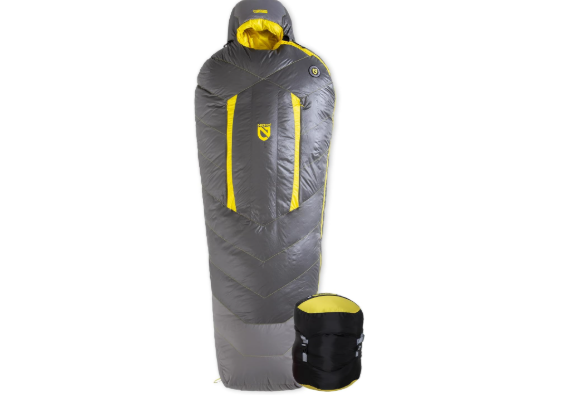

How to wash a down sleeping bag safely comes down to using a front loading washer, a down specific detergent, and a patient, thorough drying process, since regular household detergent and top loading agitators can strip natural oils from the down or damage the baffles that hold it in place. Down bags need washing far less often than most people assume, but when the time comes, the right method protects both the loft and the lifespan of the fill.
The short answer
Use a front loading washer on a gentle cycle with a down specific detergent, then dry on low heat with a few clean tennis balls or dryer balls to break up clumps, checking every 30 minutes until the down is fully dry and lofted.
Check whether it actually needs a full wash
Down bags trap body oils, sweat and dirt over time, which can gradually reduce loft and cause an odor, but a full wash also strips some of the down’s own natural oils with each cycle, so it is worth spot cleaning stains with a damp cloth and mild soap or airing the bag out thoroughly before committing to a full wash. Most down bags only need washing once every season or two under normal use, and washing more often than necessary shortens the down’s lifespan without a real benefit, since each wash cycle, even done correctly, removes a small amount of the natural oils that help down clusters loft properly and resist moisture.
A useful test is simply to smell and look at the bag after airing it out for a day. If there is no lingering odor and the loft looks even and full when you fluff it, it likely does not need a full wash yet, and spot cleaning any visible dirt or oil marks on the shell fabric is enough to keep it in good shape for another trip or two.
Use a front loading washer, never a top loader
A top loading washer’s central agitator, the vertical post that spins and twists laundry to clean it, can twist and tear the internal baffles that keep down evenly distributed inside the bag, permanently damaging the bag’s structure and letting down migrate into uneven clumps that no amount of fluffing can fully fix. A front loading machine, or a large capacity commercial machine at a laundromat, tumbles the bag gently in a rotating drum without that twisting action, which is why front loaders are the standard recommendation for washing any down product, from bags to jackets to comforters. If you do not have access to a front loader, hand washing in a bathtub is a safe alternative, using gentle kneading motions rather than scrubbing or wringing, though it takes considerably more time and effort and requires careful rinsing to remove all the soap from the baffles.
Use a down specific detergent
Standard laundry detergent contains degreasing agents and surfactants designed to strip oils and grease from clothing, which also strips the natural oils down clusters need to maintain their loft and water resistance, so a detergent formulated specifically for down is worth seeking out. These specialized detergents are designed to clean effectively while leaving the down’s natural oils largely intact, preserving both warmth and the fill’s ability to shed light moisture. Use less than you think you need, since down specific detergents are concentrated and excess soap is notoriously difficult to rinse fully out of a bag’s internal baffles, and leftover residue can itself cause down clusters to clump and lose loft even after the bag has fully dried.
Dry thoroughly on low heat with dryer balls
This is the step most people rush, and rushing it is what causes mildew and clumping problems later. Dry the bag on a low heat setting in a large capacity dryer, adding a few clean tennis balls or wool dryer balls to help break up down clumps as they form during the tumbling process. The balls work mechanically, physically knocking apart clusters of wet down that would otherwise mat together and dry into a hardened clump that no amount of fluffing afterward can fully separate. Check the bag every 30 minutes, pulling it out and separating any clumps by hand through the shell fabric, and continue until the down feels fully dry and lofted throughout, which often takes several hours longer than most people expect, sometimes three or four full cycles through a home dryer.
Loft recovery matters because down that dries clumped, even if technically dry, will not return to its full warmth producing loft on its own, since the individual filaments within a clump dry stuck together rather than spread out to trap air the way properly fluffed down does. This is why patience during drying is arguably more important to the bag’s long term performance than the washing step itself, and why skipping ahead to pack the bag away as soon as it feels dry on the outside, without fully separating internal clumps, is one of the most common ways a down bag’s warmth noticeably degrades after just one home wash.
Common mistakes
- Washing in a top loading machine. The central agitator can tear internal baffles, permanently damaging how evenly the down distributes inside the bag, and once a baffle wall tears, down can migrate freely between chambers, creating a permanently uneven, less warm bag that cannot be fully repaired without a specialty gear repair service.
- Using regular laundry detergent. Standard detergent strips natural down oils that help maintain loft and water resistance, degrading performance over repeated washes, and the effect compounds each time the bag is washed with the wrong detergent, gradually reducing both warmth and the down’s ability to resist light moisture.
- Stopping the dryer before the bag is completely dry. Down that looks dry on the outside can still hold moisture in clumps deeper inside the baffles, which leads to mildew and a lingering musty odor if packed away too soon, and mildew that sets into down insulation is extremely difficult to fully remove afterward.
- Washing more often than necessary. Each wash strips some natural oils from the down, so washing only when genuinely needed extends the bag’s usable lifespan, and a bag washed every trip rather than every season or two will show measurably reduced loft and warmth years sooner than one washed sparingly.
Frequently Asked Questions
How often should I wash a down sleeping bag?
Most down bags only need a full wash once every season or two under normal use, since washing more frequently strips natural oils from the down without a meaningful cleanliness benefit, and spot cleaning between full washes handles most everyday dirt just fine.
Can I dry clean a down sleeping bag instead?
It is possible at a specialty cleaner experienced with down products, but standard dry cleaning chemicals can strip down oils just as aggressively as harsh detergent, so a gentle home wash with a down specific detergent is usually the safer and more controllable route.
What happens if I use regular detergent on a down bag?
Regular detergent can strip the natural oils that help down clusters loft and resist moisture, gradually reducing the bag’s warmth and water resistance over repeated washes, and the damage is cumulative rather than something that shows up dramatically after a single wash.
How long does it take to fully dry a down sleeping bag?
It commonly takes several hours on low heat with dryer balls, sometimes spanning multiple dryer cycles, and checking every 30 minutes to break up clumps by hand is worth the time, since packing the bag away even slightly damp risks mildew that is far harder to remove than the moisture would have been to dry out properly.
Wrapping up
Washing a down bag correctly protects an expensive piece of gear that, cared for properly, should last for many seasons. Wash sparingly, use a front loading machine and down specific detergent, and never rush the drying process. Once clean and dry, see our how to store a sleeping bag so it lasts guide for keeping it in good shape between trips, and our best down sleeping bags for backpacking roundup if you are shopping for a new one.