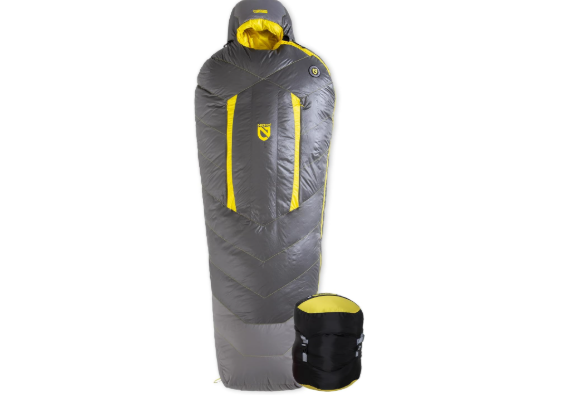
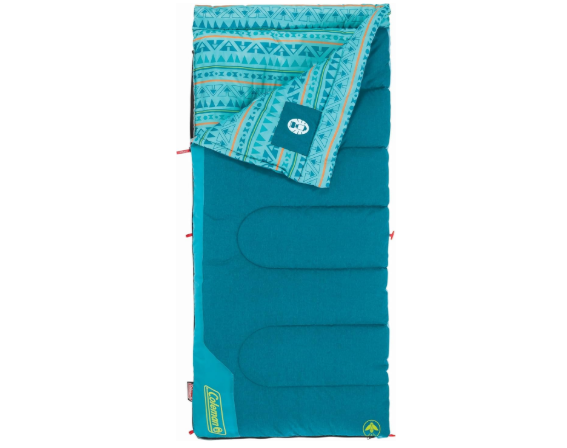
Mummy vs rectangular sleeping bag is a tradeoff between thermal efficiency and freedom to move, and the right choice depends on whether you prioritize warmth per ounce or the ability to sleep in whatever position feels natural. A mummy bag tapers closely to the body from shoulders to feet, minimizing the air space your body has to heat, while a rectangular bag keeps a boxy, roomy shape that trades some warmth efficiency for genuine sleeping comfort. Neither shape is universally better, and the right pick comes down to how you camp and how much you move at night.
The short answer
Choose a mummy bag if you backpack, camp in cold conditions, or want the best warmth for the least weight. Choose a rectangular bag if you car camp, sleep hot, or move around a lot during the night.
Side by side
| Factor | Mummy Bag | Rectangular Bag |
|---|---|---|
| Thermal efficiency | Excellent, minimal air space | Lower, more air to heat |
| Room to move | Limited, snug fit | Generous, can shift freely |
| Weight and packed size | Lighter and more compact | Heavier and bulkier |
| Best use case | Backpacking, cold weather | Car camping, warm nights |
Mummy bags explained
A mummy bag narrows progressively from the shoulders down to a tapered footbox, closely following the shape of the body to minimize the volume of dead air trapped inside that your body has to warm from scratch. The physics here is straightforward: your body generates a relatively fixed amount of heat overnight, and the less air volume that heat has to raise to a comfortable temperature, the warmer the bag feels for a given amount of insulation. A rectangular bag’s boxy corners and extra shoulder and hip room create pockets of air that sit largely unheated through the night, which is why a mummy cut can deliver the same comfort rating as a rectangular bag while using noticeably less fill. This efficiency is why mummy bags dominate backpacking and cold weather use, since they deliver more warmth per ounce of insulation than a looser shape ever could.
Many mummy bags also include a fitted hood that cinches down around the head with a drawcord, sealing in heat that would otherwise escape rapidly from an exposed area, since the head and neck lose heat faster relative to their surface area than almost any other part of the body. A well designed mummy bag often pairs that hood with an insulated draft collar around the shoulders and a draft tube running the length of the main zipper, both of which block the two biggest points where warm air would otherwise leak out. The tradeoff is room. A true mummy cut restricts how much you can shift positions, which some sleepers find genuinely uncomfortable, particularly side sleepers used to bending their knees or stretching their legs apart, and getting dressed inside a mummy bag on a cold morning takes noticeably more contortion than in a roomier shape.
Rectangular bags explained
A rectangular bag keeps a consistent, boxy width from top to bottom, giving sleepers far more room to move their arms, legs and torso than a tapered mummy shape allows. Rather than following the body’s contour, a rectangular bag is essentially a padded envelope, which means the insulation sits at a more consistent distance from the body throughout the night and does not compress or bunch as easily when you roll over, a genuine comfort advantage for anyone who changes position frequently. This makes rectangular bags a popular choice for car camping, where pack weight is not a concern and comfort matters more than squeezing out every degree of thermal efficiency.
Many rectangular bags also fully unzip along two or three sides and open flat, which turns the bag into a blanket for warm nights or lets two compatible bags with matching zipper hardware combine into a double wide bag for couples, something a tapered mummy shape cannot easily replicate. The tradeoff is thermal efficiency. The extra air space inside a rectangular bag takes considerably more body heat to warm to a comfortable temperature, which is why rectangular bags are rarely rated for genuinely cold temperatures the way mummy bags are, and why a rectangular bag advertised at the same temperature rating as a mummy bag typically contains meaningfully more insulation to compensate for that lost efficiency.
Where each one wins
Warmth
Mummy wins clearly, trapping heat more efficiently thanks to the tapered shape, the hood that seals around the head, and the draft collar and zipper tube that block the biggest heat leaks.
Comfort for restless sleepers
Rectangular wins decisively, giving side sleepers and anyone who shifts positions at night far more room to move without fighting a snug, tapered shell.
Weight and packability
Mummy wins clearly, using less material for the same warmth and compressing into a noticeably smaller packed size, which matters directly for anyone carrying the bag on their back.
Flexibility
Rectangular wins, since it can unzip flat as a blanket or zip together with a matching bag, something a tapered mummy bag’s fitted shape makes impractical.
Ease of movement at camp
Rectangular wins again here, since getting dressed, reading, or simply sitting up inside a roomy rectangular shape is noticeably easier than maneuvering inside a snug mummy taper, particularly on a cold morning.
Which should you buy
If you backpack or expect cold nights, a mummy bag’s thermal efficiency and lighter weight make it the more practical choice despite the snugger fit, and the warmth per ounce advantage only grows more important the colder your trips get. If you car camp, sleep hot, or simply want room to move, a rectangular bag’s comfort and flexibility are worth the extra weight and bulk, especially since pack weight is rarely a real constraint when the vehicle does the carrying. Manufacturers testing to the ISO 23537 standard, the current international benchmark that replaced the older EN 13537 rating system, generally find that a mummy cut achieves a given comfort rating with less total insulation than a rectangular bag, which is reflected directly in the weight difference between the two shapes at any matched temperature rating. For options built with extra room in mind even within a tapered shape, see our best sleeping bags for side sleepers roundup.
Frequently Asked Questions
Are mummy bags too restrictive for side sleepers?
Many side sleepers do find a strict mummy cut confining, particularly around the knees and hips, though some brands build in extra room specifically at those points using a slightly wider cut or a gusseted knee section, which is worth looking for if you move a lot at night.
Can a rectangular bag be as warm as a mummy bag?
Not at the same weight and fill amount, since the extra air space inside a rectangular bag simply takes more body heat to warm regardless of the insulation used, so a rectangular bag needs meaningfully more fill to match a mummy bag’s comfort rating.
Do rectangular bags have hoods?
Rarely, since the boxy shape does not lend itself to the same cinching hood design a mummy bag uses, and most rectangular bags instead rely on a simple flat top or a small pillow pocket, which is part of why rectangular bags lose more heat around the head and shoulders on cold nights.
Can two rectangular bags zip together?
Yes, many rectangular bags are designed with compatible left and right hand zippers specifically so two of the same or matching model can combine into a double wide bag for couples, a feature that a tapered mummy shape’s fitted construction generally does not support.
Buy a mummy bag for backpacking or cold weather efficiency, and a rectangular bag for car camping comfort or if you sleep hot and move around at night.