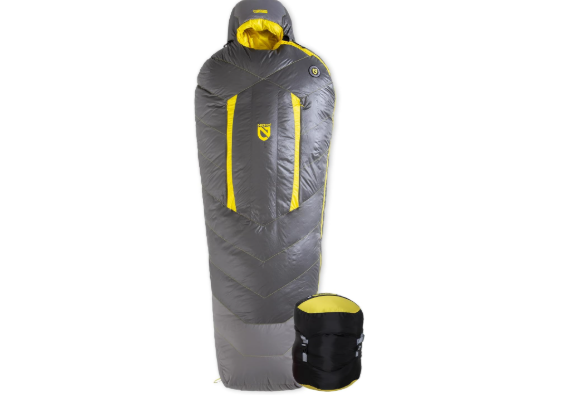
Sleeping bag liner vs a warmer bag is a question most campers run into once their current bag falls just short on a cold night, and the right answer depends on how much extra warmth you actually need versus how often you camp in those colder conditions. A liner is a thin, lightweight insert that slides inside your existing bag and adds a modest boost in warmth along with a layer of cleanliness, while buying a warmer rated bag means replacing your sleep system entirely with one built for colder temperatures from the start. Neither option is universally better, and the right pick depends on your budget and how far below your current bag’s rating you actually need to go.
The short answer
Choose a liner if you need a modest, occasional warmth boost or want to keep your bag cleaner between washes. Choose a warmer bag if your trips regularly drop well below your current bag’s rating.
Side by side
| Factor | Sleeping Bag Liner | Warmer Bag |
|---|---|---|
| Warmth boost | Modest, roughly 5 to 15 degrees | Whatever the new bag’s rating provides |
| Cost | Low | Cost of an entirely new bag |
| Added weight and bulk | Small | Depends on the new bag’s fill and rating |
| Other benefits | Keeps the bag cleaner, extends its life | None beyond the warmth itself |
Sleeping bag liners explained
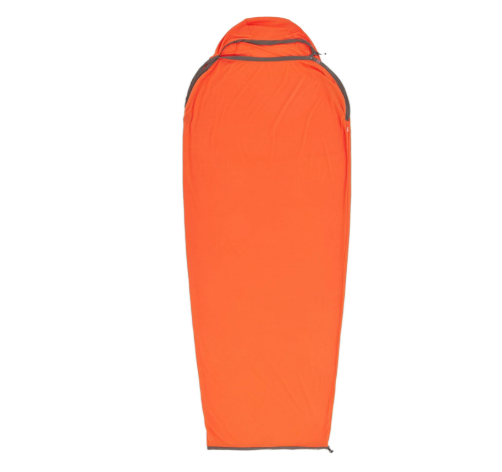
A sleeping bag liner is a thin sack, usually made of silk, cotton, a synthetic microfiber or a fleece, that slides inside your existing bag and works by adding an extra boundary layer of trapped, still air between your body and the bag’s inner shell. Warmth in any insulation system comes down to how much still air gets trapped close to the body, and a liner essentially adds one more thin shell of dead air space on top of what the bag already provides, along with a small amount of insulation from the liner fabric itself. This is why the warmth boost from a liner is modest and fairly consistent regardless of fabric, typically somewhere between five and fifteen degrees, with heavier fleece liners adding more than a lightweight silk one simply because they trap a slightly thicker layer of still air and contribute a bit more insulating material.
Beyond warmth, a liner also protects the inside of your bag from body oils, sweat and skin cells, meaning your actual sleeping bag needs washing far less often, which matters a great deal since repeated washing gradually breaks down insulation, particularly down fill, which loses some of its natural water resistant oils and cluster integrity with every wash cycle. A liner itself is far easier and faster to wash than a full sleeping bag, since it is a simple flat piece of fabric with no baffles or insulation to protect during the wash. The tradeoff is that a liner only ever provides a modest boost. It will not turn a 40 degree bag into a genuinely reliable 10 degree shelter, no matter how heavy the liner fabric, since a liner adds one thin layer while a proper cold weather bag is built with an entire additional volume of insulation designed specifically to trap far more air.
Buying a warmer bag explained
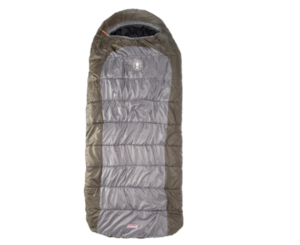
Buying a sleeping bag rated for colder temperatures means starting from scratch with more insulation built in from the factory, whether that is a higher fill power down that traps more air per ounce, or simply a greater total fill weight of synthetic or down material distributed through the bag’s baffles. This gives you a genuinely reliable warmth rating rather than an estimated boost layered on top of an existing bag, and manufacturers testing to the ISO 23537 standard, the current international benchmark for sleeping bag temperature testing, produce a specific comfort rating and a colder lower limit rating for each model using a standardized heated manikin, which lets you compare a colder rated bag against your current one on a like for like basis rather than guessing.
This matters a great deal if you are heading into conditions meaningfully colder than what your current bag can handle, since a properly built cold weather bag also typically adds features a liner simply cannot replicate, including a more substantial insulated hood, a wider draft collar around the shoulders, and a fuller draft tube running the length of the zipper, all of which block heat loss at points a thin liner does nothing to address. The tradeoff is cost. A new bag, particularly a quality down one built for genuinely cold conditions, represents a real expense, and if your cold trips are rare, that expense may not be worth it compared to a liner or simply layering clothing inside your existing bag for the occasional colder night.
Where each one wins
Cost
Liner wins clearly, costing a small fraction of what a new sleeping bag runs, and delivering a genuine if modest warmth improvement for that low price.
Reliability in real cold
Warmer bag wins decisively, since its rating reflects insulation built in from the start and tested to a standardized benchmark, rather than an estimated boost layered informally on top.
Bag longevity
Liner wins, since it reduces how often your main bag needs washing, which extends the life of the insulation inside it, particularly for a down bag whose natural oils and loft degrade with each wash.
Occasional vs frequent cold trips
Liner wins for occasional cold nights, while a warmer bag wins if cold trips are a regular part of your camping and you need dependable performance rather than an estimated buffer.
Added feature coverage
Warmer bag wins here as well, since a properly built cold weather bag adds a substantial hood, draft collar and zipper draft tube that a thin liner cannot replicate, addressing heat loss points a liner alone leaves largely unaddressed.
Which should you buy
If your trips occasionally dip a little colder than your bag’s rating, or you simply want to keep your current bag cleaner and extend its usable life, a liner is the more practical and affordable fix, and it pairs well with layering extra clothing on the rare night it is not quite enough on its own. If you are regularly finding yourself cold at night or planning trips meaningfully below your bag’s current rating, investing in a genuinely warmer bag tested to a standardized rating is the more reliable long term solution. For bags built specifically around colder conditions, see our best sleeping bags for cold weather camping roundup.
Frequently Asked Questions
How many degrees warmer does a sleeping bag liner make a bag?
Most liners add somewhere between five and fifteen degrees of warmth depending on the material, with heavier fleece liners generally adding more than a lightweight silk one, since the fleece traps a slightly thicker layer of still air against the body.
Can a liner replace a sleeping bag entirely in warm weather?
Yes, many campers use a liner alone as a lightweight sheet on hot summer nights, which is a useful secondary function beyond boosting warmth in colder conditions, and it packs down small enough that carrying it for this purpose alone is rarely a burden.
Does a liner make a sleeping bag heavier to carry?
Only slightly, since most liners weigh a few ounces at most, which is far less than the weight difference between two sleeping bags with meaningfully different temperature ratings, making a liner a genuinely low cost way to add flexibility to one bag.
Is it cheaper to buy a liner or a warmer bag?
A liner is almost always the cheaper option upfront, though a warmer bag is the more reliable long term solution if cold conditions are a regular feature of your trips rather than an occasional surprise, since repeatedly relying on a liner beyond its real capability leads to uncomfortable, and potentially unsafe, nights.
Buy a liner for an affordable, modest warmth boost on occasional cold nights, and invest in a warmer bag if cold conditions are a regular part of how you camp.