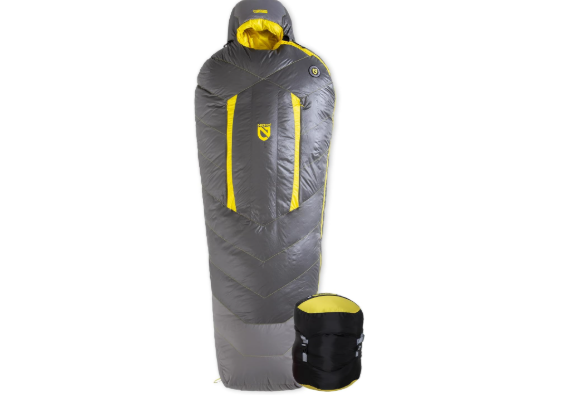
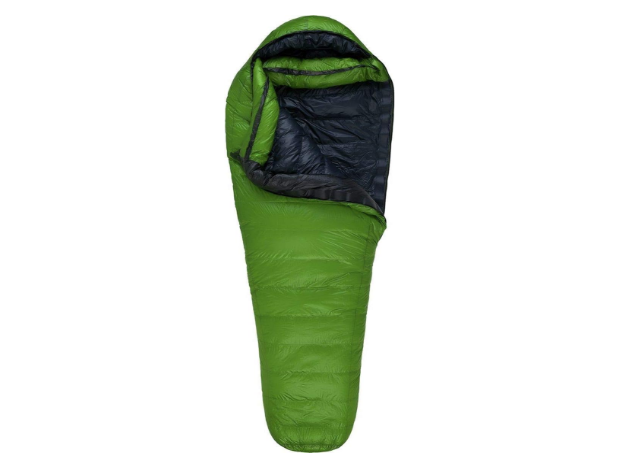
Western Mountaineering vs REI Co-op sleeping bags pits a premium handmade specialty brand against a widely available, member friendly co-op line, and the right choice largely comes down to how much you are willing to pay for the last increment of warmth to weight performance. Western Mountaineering builds every bag by hand in the United States using exceptionally high fill power down, while REI Co-op’s Magma line delivers genuinely competitive performance at a noticeably lower price point through larger scale production. Both approaches work well, but they serve different budgets and priorities.
The short answer
Choose Western Mountaineering if you want the absolute best warmth to weight ratio and durability money can buy. Choose REI Co-op if you want strong performance at a meaningfully lower price, especially if you are newer to backpacking.
Side by side
| Factor | Western Mountaineering | REI Co-op |
|---|---|---|
| Fill power | 850+ across most of the lineup | Up to 850 on the Magma line |
| Price | Higher | Noticeably lower |
| Construction | Handmade, continuous baffle | Factory produced, still well tested |
| Availability | Limited retailers | Widely available, member perks |
Western Mountaineering explained
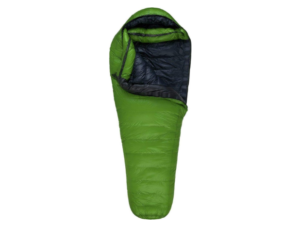
Western Mountaineering hand builds every bag in the United States using 850+ fill power down and continuous baffle construction, a labor intensive process where skilled workers hand fill and redistribute down along baffle walls that run the full width of the bag, rather than relying on a faster, more automated fill process used by larger scale manufacturers. This keeps down evenly distributed and prevents the cold spots that can develop in cheaper bags over years of use, as fill migrates and settles unevenly inside shorter, sewn through compartments. This combination delivers some of the best warmth to weight ratios available from any brand, and the durability holds up remarkably well across many seasons of regular use, with well cared for bags routinely lasting a decade or more of active backpacking.
The tradeoff is price and availability, since the brand sells through a smaller network of specialty outdoor retailers and charges accordingly for the handmade construction, premium materials and smaller production scale involved. Because Western Mountaineering does not mass produce at the volume a larger retailer can, per unit costs stay higher, and buyers looking for a specific size or model may need to check with a handful of specialty dealers rather than finding it on the shelf at a large chain store.
REI Co-op explained
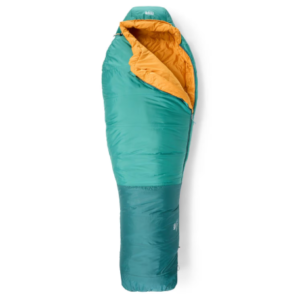
REI Co-op’s Magma line uses up to 850 fill power down in a factory produced bag that delivers genuinely competitive warmth to weight performance against premium specialty brands, at a price that is noticeably lower across nearly every comparable rating. This is possible largely because REI Co-op designs and produces its bags at a much larger scale, spreading tooling, materials sourcing and manufacturing costs across a far higher unit volume than a small handmade operation ever could, without necessarily sacrificing the fill quality that drives most of a down bag’s performance. The co-op model also means members receive a percentage back on purchases at the end of the year based on total annual spending, effectively lowering the long term cost further for anyone who shops there regularly.
The tradeoff is that factory production, while well tested and reliable across a large number of units, does not offer quite the same hand tuned consistency that Western Mountaineering’s continuous baffle process provides bag by bag, though the practical difference in day to day warmth is small for most backpackers and only becomes more noticeable after many years of heavy, repeated use. REI Co-op also maintains a well known return policy that makes exchanging a bag that does not fit considerably more straightforward than working through a smaller specialty dealer network.
Where each one wins
Weight
Western Mountaineering wins by a narrow margin, with its handmade construction and marginally higher typical fill power shaving a small amount of weight at comparable ratings.
Budget
REI Co-op wins decisively, offering competitive performance at a meaningfully lower price, with member returns lowering the effective cost further over time for regular shoppers.
Durability
Western Mountaineering wins narrowly, with its handmade continuous baffle construction generally holding up marginally longer under heavy, repeated use over many years.
Accessibility
REI Co-op wins clearly, with wider retail availability, physical stores to try bags on in person, and a lower price point that makes it far more approachable for newer backpackers.
Return and exchange ease
REI Co-op wins here as well, since its well established return policy and large retail footprint make exchanging a bag that does not fit considerably simpler than working through Western Mountaineering’s smaller specialty dealer network.
Long term repairability
Roughly even, since both brands offer their own repair services for worn shells, damaged baffles or failed zippers, though Western Mountaineering’s smaller, more specialized production means a repaired bag often comes back closer to its original factory condition, while REI Co-op’s larger scale service network still handles most common repairs competently and with faster turnaround in many cases.
Which should you buy
If you backpack frequently in demanding conditions and want the best possible warmth to weight ratio regardless of price, Western Mountaineering’s handmade quality is worth the investment, and the durability tends to pay off over many seasons of heavy use, particularly for anyone who plans to keep and use the same bag for a decade or longer rather than upgrading every few years. If you want strong, genuinely competitive performance without the premium price tag, especially as a newer backpacker still building out your gear and wanting the flexibility to try a bag in a physical store before committing, REI Co-op’s Magma line delivers excellent value, and the co-op’s broader ecosystem of gear, classes and community events makes it an easy one stop option while you are still figuring out what else you need. Neither choice is a mistake at this level of quality, so weigh how much the last small increment of warmth to weight performance is actually worth to you against the very real savings and convenience REI Co-op offers. For a closer look at the full REI Co-op lineup, see our best REI Co-op sleeping bags roundup.
Frequently Asked Questions
Is Western Mountaineering much warmer than REI Co-op for the same rating?
Not meaningfully, since both brands rate their bags to perform similarly at a given temperature, though Western Mountaineering’s handmade construction and marginally higher fill power on some models offer a slight edge in weight for the same warmth rather than a meaningful warmth difference itself.
Is REI Co-op a good alternative for backpackers on a budget?
Yes, the Magma line in particular delivers competitive fill power and weight at a noticeably lower price than premium specialty brands, making it a strong choice for budget conscious backpackers who still want a genuinely capable down bag.
Does an REI membership affect the price comparison?
It helps, since co-op members receive a percentage back on purchases annually based on how much they spend, which effectively lowers the long term cost of REI Co-op gear compared to the sticker price alone, particularly for members who shop there for other gear too.
Which brand is better for a first premium down bag?
REI Co-op’s Magma line is often the more practical first purchase given the lower price, wide availability and easy in store fitting and return process, while Western Mountaineering suits backpackers ready to invest in the best possible performance and who already have a good sense of their sizing needs.
Buy Western Mountaineering for the best possible warmth to weight and durability, and REI Co-op if strong performance at a meaningfully lower price matters more.